

Taking care of your car does not have to be complicated or time-consuming. With a few simple habits and regular attention, you can keep your vehicle running smoothly and looking good for years. Proper car care not only helps avoid unnecessary repairs but also improves safety and overall driving comfort.
This guide covers practical and easy-to-follow car care tips that work for all types of vehicles. Whether you are a new driver or have years of experience, these tips can help you maintain your car smartly and efficiently.
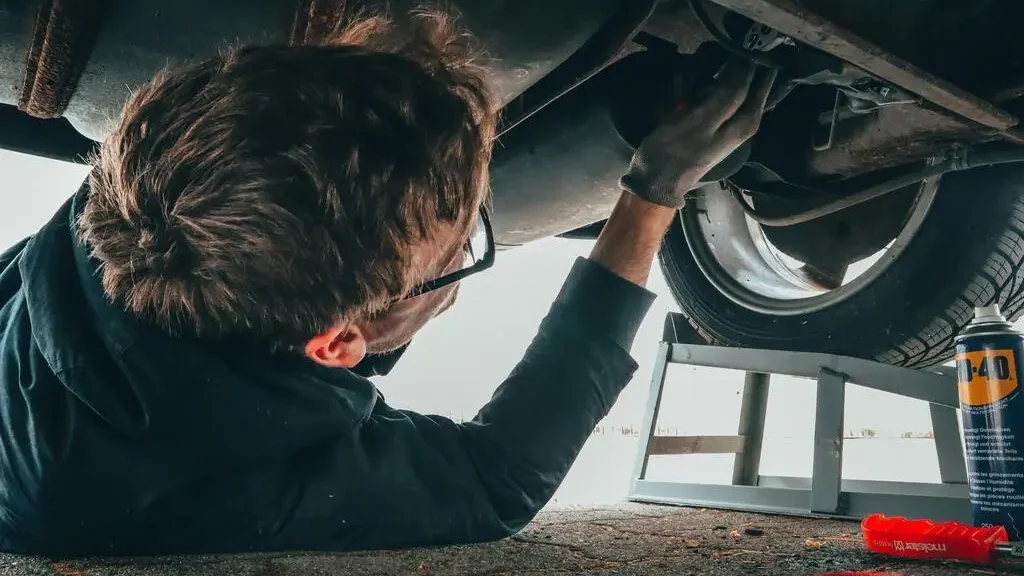
Table of Contents
Why Regular Car Care Matters
A car is a long-term investment. Like any machine, it performs better when it is properly maintained. Ignoring small issues can lead to bigger problems over time, which may cost more to fix.
Regular maintenance helps:
- Extend the life of your vehicle
- Improve fuel efficiency
- Enhance safety on the road
- Maintain the car’s value
The good news is that most basic car care tasks are simple and do not require advanced knowledge.
Build a Consistent Maintenance Routine
Consistency is more important than complexity when it comes to car care.
Follow a Basic Schedule
Every car benefits from a routine check. You do not need to inspect everything daily, but having a simple schedule helps.
Weekly or bi-weekly:
- Check tire pressure
- Look for visible leaks or unusual changes
Monthly:
- Check engine oil level
- Inspect lights and signals
- Clean the interior
Every few months:
- Wash and wax the exterior
- Inspect battery condition
Following a routine reduces the chances of unexpected issues.
Take Care of the Engine
The engine is the heart of your car. Keeping it in good condition is essential for long-term performance.
Check Engine Oil Regularly
Engine oil keeps parts moving smoothly and prevents overheating.
Tips:
- Check oil level when the engine is cool
- Refill if it is below the recommended level
- Change oil based on your vehicle’s guidelines
Dirty or low oil can reduce engine efficiency over time.
Listen for Unusual Sounds
Strange noises can be an early sign of a problem.
Pay attention to:
- Knocking or rattling sounds
- Unusual vibrations
- Changes in engine performance
If something feels different, it is best to check it early.
Maintain Your Tires Properly
Tires affect safety, comfort, and fuel efficiency.
Keep Tires Properly Inflated
Driving with incorrect tire pressure can cause uneven wear and reduce control.
How to manage:
- Check pressure using a simple gauge
- Follow the recommended levels for your vehicle
- Adjust pressure when needed
Inspect Tire Condition
Worn tires can reduce grip on the road.
Look for:
- Cracks or cuts
- Uneven wear
- Low tread depth
Replacing tires at the right time improves safety and performance.
Protect the Exterior of Your Car
A clean exterior is not just about appearance. It also helps protect the car’s surface.
Wash Your Car Regularly
Dust, dirt, and road residue can damage the paint over time.
Best practices:
- Wash your car every 2–3 weeks
- Use gentle cleaning products
- Avoid washing under direct sunlight
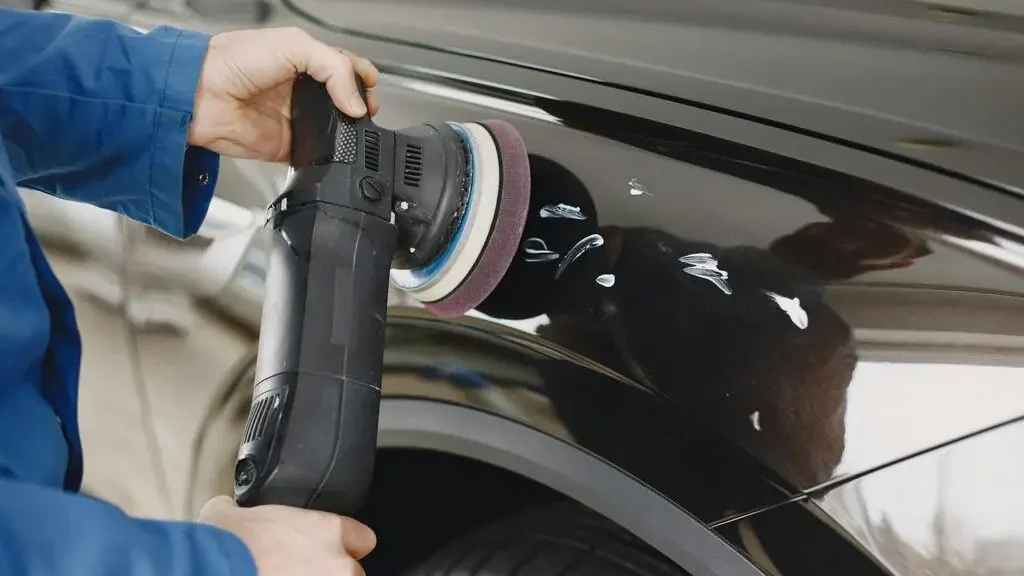
Apply Wax Occasionally
Wax adds a protective layer to the paint.
Benefits:
- Helps maintain shine
- Protects against minor scratches
- Reduces dirt buildup
You do not need to wax frequently, but doing it a few times a year can help.
Keep the Interior Clean and Comfortable
A well-maintained interior improves your driving experience.
Clean Surfaces Regularly
Dust and dirt can build up quickly inside the car.
Simple steps:
- Wipe dashboard and surfaces
- Vacuum seats and floor mats
- Remove unnecessary items
Protect Seats and Upholstery
Seat covers or regular cleaning can help preserve the condition of your seats.
Keeping the interior clean also helps maintain the value of your vehicle.
Take Care of the Battery
The battery powers essential systems in your car.
Check Battery Condition
A weak battery can cause starting issues.
Look for:
- Slow engine start
- Dim lights
- Corrosion on battery terminals
Avoid Draining the Battery
Simple habits can extend battery life:
- Turn off lights when the engine is off
- Avoid leaving devices plugged in unnecessarily
Pay Attention to Fluids
Your car relies on different fluids to function properly.
Important Fluids to Monitor
- Engine oil
- Coolant
- Brake fluid
- Windshield washer fluid
Keep Fluid Levels Balanced
Low or dirty fluids can affect performance.
Tips:
- Check levels regularly
- Refill when needed
- Follow recommended service intervals
Drive Responsibly
Your driving style has a direct impact on your car’s condition.
Avoid Aggressive Driving
Sudden acceleration and hard braking can wear out parts faster.
Better habits:
- Accelerate smoothly
- Brake gently
- Maintain steady speeds
Warm Up the Car Gently
You do not need long warm-ups, but giving the engine a moment before driving can help, especially in colder conditions.
Store Your Car Properly
How you store your car can affect its longevity.
Choose a Safe Parking Spot
Whenever possible:
- Park in shaded areas
- Use a garage if available
- Avoid areas with heavy dust or debris
Protect During Long Periods of Inactivity
If you do not use your car often:
- Start it occasionally
- Keep it clean
- Ensure tires remain properly inflated
Watch for Warning Signs
Modern cars often provide alerts when something is wrong.
Do Not Ignore Dashboard Lights
Warning lights are there to help you identify issues early.
Common alerts include:
- Engine warning light
- Battery indicator
- Oil pressure warning
Even if the car seems fine, it is better to check when a light appears.
Keep Records of Maintenance
Tracking your car’s maintenance helps you stay organized.
Why It Matters
- Helps you remember service dates
- Makes resale easier
- Keeps maintenance consistent
A simple notebook or digital note is enough to track basic information.
Conclusion
Taking care of your car does not require advanced skills or expensive tools. By following simple habits like regular checks, gentle driving, and basic cleaning, you can extend your vehicle’s life and keep it running smoothly.
The key is consistency. Small efforts done regularly can prevent bigger problems in the future. With a clear and simple routine, your car can stay reliable, safe, and comfortable for many years.
You can also check our guide on how to save money every month.