

Healthy hair is not about following complicated routines or using expensive products. In most cases, it comes down to consistent care, gentle handling, and understanding what your hair actually needs. Whether your hair is straight, wavy, curly, or coily, a few simple habits can make a noticeable difference over time.
This guide focuses on practical, easy-to-follow hair care tips that work for all hair types. These are not quick fixes, but steady practices that support stronger, shinier, and more manageable hair in the long run.

Table of Contents
Understanding Your Hair Basics
Before building a routine, it helps to know a few basic things about your hair.
Hair Type vs. Hair Condition
Your hair type (straight, wavy, curly, or coily) is different from its condition. Hair condition refers to whether your hair is dry, oily, damaged, or balanced. Two people can have the same hair type but very different needs.
Why Scalp Health Matters
Healthy hair starts at the scalp. A clean and balanced scalp creates a better environment for hair to grow and stay strong. Ignoring scalp care often leads to issues like buildup, dryness, or excess oil.
Building a Simple Hair Care Routine
A consistent routine does not have to be complicated. Focus on these essential steps.
1. Wash Your Hair the Right Way
Washing removes dirt, oil, and product buildup. However, washing too often or too aggressively can strip natural oils.
Tips:
- Wash your hair 2–3 times a week, or as needed based on oiliness
- Use lukewarm water instead of hot water
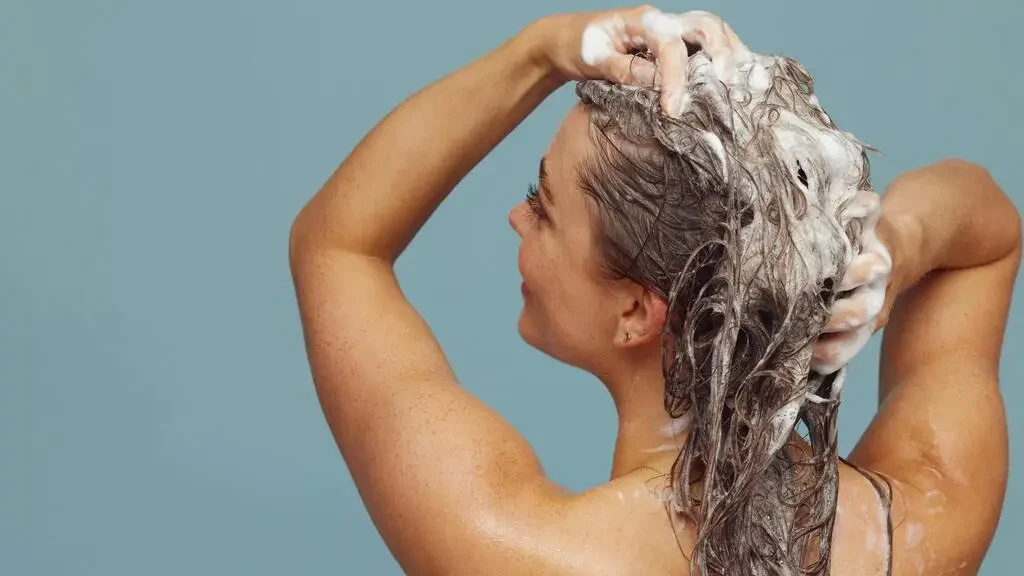
- Apply shampoo mainly to the scalp, not the ends
- Massage gently with your fingertips, not your nails
2. Choose a Suitable Shampoo
Not all shampoos work the same for everyone. Look for one that matches your scalp condition.
General guidance:
- Oily scalp: lightweight or balancing shampoo
- Dry scalp: moisturizing shampoo
- Normal scalp: gentle, regular shampoo
Avoid switching products too frequently, as your hair needs time to adjust.
3. Condition Every Time You Wash
Conditioner helps restore moisture and makes hair easier to manage.
How to use it properly:
- Apply mainly to mid-lengths and ends
- Leave it on for a few minutes before rinsing
- Use a small amount—too much can weigh hair down
Gentle Handling Makes a Big Difference
Hair is more fragile than it looks, especially when wet.
4. Be Careful When Detangling
Rough brushing can lead to breakage.
Best practices:
- Use a wide-tooth comb or a gentle brush
- Start from the ends and work your way up
- Detangle when hair is slightly damp or dry, depending on your hair type
5. Avoid Excessive Heat Styling
Frequent use of heat tools can weaken hair over time.
If you use heat:
- Keep the temperature moderate
- Avoid daily use
- Let hair air-dry when possible
Reducing heat exposure helps maintain natural strength and texture.
Keep Your Hair Hydrated
Moisture plays a key role in maintaining soft and flexible hair.
6. Use Leave-In Products (When Needed)
Leave-in conditioners or light oils can help retain moisture, especially for dry or curly hair.
Tips:
- Apply a small amount to avoid buildup
- Focus on ends rather than roots
- Choose lightweight formulas for fine hair
7. Protect Hair from Dryness
Environmental factors like sun, wind, and dry air can affect your hair.
Simple protection methods:
- Wear a hat in strong sunlight
- Avoid prolonged exposure to harsh weather
- Rinse hair with clean water after swimming
Healthy Habits That Support Hair
Hair care is not only about products—it’s also about daily habits.
8. Maintain a Balanced Diet
Hair is made mostly of protein, so nutrition matters.
Include in your diet:
- Protein-rich foods (eggs, beans, fish)
- Fruits and vegetables
- Healthy fats (nuts, seeds)
While diet alone will not transform hair overnight, it supports overall hair health over time.
9. Stay Hydrated
Drinking enough water helps maintain overall body balance, which also reflects in your hair.
10. Get Regular Trims
Trimming does not make hair grow faster, but it helps remove split ends and keeps hair looking healthier.
Recommended:
- Trim every 6–10 weeks, depending on your hair condition
Adjusting Care for Different Hair Types
While the basics remain the same, small adjustments can improve results.
Straight Hair
- Tends to get oily faster
- Use lightweight conditioners
- Avoid heavy products that flatten volume
Wavy Hair
- Needs balance between moisture and lightness
- Avoid brushing when dry to reduce frizz
- Use gentle styling products
Curly Hair
- Naturally drier and more fragile
- Focus on hydration and gentle handling
- Detangle with care, preferably when damp
Coily Hair
- Requires consistent moisture
- Benefits from protective styles
- Avoid excessive manipulation
Common Mistakes to Avoid
Even simple mistakes can affect hair health over time.
Overwashing
Washing too often can strip natural oils, leaving hair dry and more prone to breakage.
Using Too Many Products
Layering multiple products can cause buildup and make hair look dull.
Tight Hairstyles
Very tight ponytails or braids can put stress on hair roots.
Skipping Scalp Care
Ignoring the scalp can lead to imbalance, affecting hair quality.
Creating a Routine That Works for You
There is no universal routine that fits everyone perfectly. The key is to observe how your hair responds.
Ask yourself:
- Does my hair feel dry or greasy?
- Is it easy to manage or tangled often?
- Does it look dull or healthy?
Adjust your routine gradually instead of making sudden changes. Small improvements over time are more effective than drastic shifts.
Simple Weekly Hair Care Plan
Here is an easy routine you can follow:
2–3 times per week:
- Wash with a suitable shampoo
- Apply conditioner
1–2 times per week:
- Use a moisturizing treatment or mask (optional)
Daily:
- Handle hair gently
- Avoid unnecessary heat
- Keep hair protected from harsh conditions
Conclusion
Healthy hair does not require complicated steps or expensive routines. With consistent care, gentle handling, and attention to your hair’s needs, you can maintain strong and manageable hair over time.
Focus on the basics: clean scalp, proper moisture, and minimal damage. By keeping your routine simple and adapting it to your hair type, you create a solid foundation for long-term hair health.