
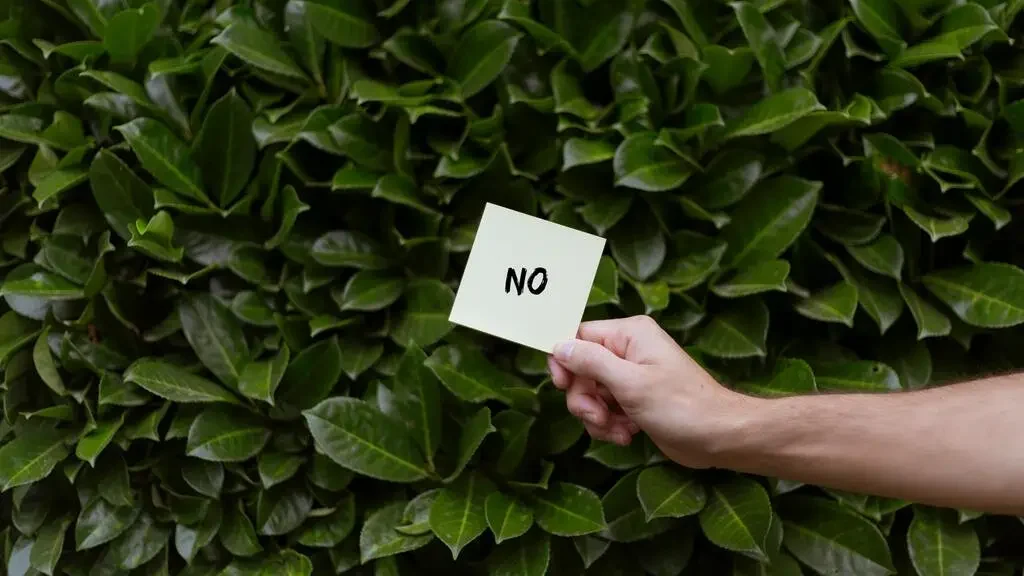
In a world that constantly demands more of your time, energy, and attention, saying “yes” can feel like the easiest option. Whether it’s agreeing to extra responsibilities, social invitations, or helping others at your own expense, many people struggle to set limits. However, learning to say “no” is one of the most powerful forms of self-care.
Self-care is often associated with skincare routines, relaxation, or wellness habits, but true beauty starts from within. When you protect your time and energy, you reduce stress, improve mental clarity, and create space for healthier habits—including those that benefit your physical appearance.
Mastering the art of saying no is not about being negative or unkind. It’s about respecting your boundaries and prioritizing what truly matters.
Table of Contents
Why Saying No Is Essential for Self-Care
Understanding Personal Limits
Every person has a limited amount of energy each day. When you say yes to everything, you risk overextending yourself. This can lead to fatigue, stress, and burnout—all of which can affect your overall well-being.
Learning to recognize your limits allows you to make better decisions about where to invest your time. This awareness is the foundation of healthy self-care.
The Connection Between Stress and Beauty
Stress doesn’t just affect your mood—it can also impact your appearance. High stress levels may contribute to:
- Dull-looking skin
- Breakouts
- Dark circles under the eyes
- Tension-related habits
By setting boundaries and reducing unnecessary stress, you support both your inner well-being and your outer appearance.
The Psychology Behind Saying Yes Too Often
The Fear of Disappointing Others
One of the main reasons people struggle to say no is the fear of letting others down. Many individuals associate saying no with being rude or selfish.
However, constantly saying yes at your own expense can lead to resentment and exhaustion. True kindness includes being honest about what you can and cannot do.
The Desire to Be Liked
People often say yes because they want to be accepted or appreciated. While this is natural, it can become harmful when it leads to ignoring your own needs.
Self-care involves recognizing that your value is not defined by how much you do for others.

How Saying No Supports a Healthy Lifestyle
More Time for Self-Care Routines
When you start saying no to unnecessary commitments, you create space for activities that benefit you, such as:
- Skincare routines
- Exercise
- Rest and relaxation
- Personal hobbies
These habits contribute to a healthier, more balanced lifestyle.
Improved Mental Clarity
A packed schedule can make it difficult to focus. By reducing unnecessary obligations, your mind becomes clearer and more organized. This clarity helps you make better decisions and feel more in control of your life.
Practical Tips to Start Saying No
1. Pause Before Responding
You don’t have to say yes immediately. Give yourself time to think before committing. A simple response like, “Let me check and get back to you,” can help you avoid impulsive decisions.
2. Be Honest and Direct
You don’t need complicated explanations. A clear and polite response is enough. For example:
- “I won’t be able to take that on right now.”
- “I appreciate the offer, but I need to focus on other priorities.”
Being honest builds respect and reduces misunderstandings.
3. Set Clear Priorities
When you know what matters most to you, it becomes easier to decline what doesn’t align with your goals. Write down your priorities and use them as a guide when making decisions.
4. Start Small
If saying no feels difficult, begin with smaller situations. Practice in low-pressure environments, such as declining minor requests. Over time, your confidence will grow.
5. Avoid Over-Explaining
You are not obligated to justify every decision. Long explanations can create confusion or invite negotiation. Keep your response simple and respectful.
Building Confidence in Your Boundaries
Accept That Not Everyone Will Agree
Some people may not understand your boundaries, and that’s okay. Setting limits is about protecting your well-being, not gaining approval from everyone.
Recognize the Benefits
As you begin to say no more often, you may notice positive changes, such as:
- Reduced stress
- More free time
- Better focus
- Improved mood
These benefits reinforce the importance of maintaining your boundaries.
Balancing Kindness and Self-Respect
Saying No Without Guilt
It’s possible to be kind while still setting limits. Tone and delivery matter. A respectful and calm response can communicate your decision without causing conflict.
For example:
- “I’d love to help, but I don’t have the time right now.”
- “That sounds great, but I need to rest this weekend.”
This approach shows consideration while still honoring your needs.
Knowing When to Say Yes
Saying no doesn’t mean rejecting everything. It means being selective. Say yes to opportunities that align with your values, bring you joy, or contribute positively to your life.
The Long-Term Impact on Well-Being
Creating a Balanced Life
When you control your commitments, you create a lifestyle that supports both productivity and relaxation. Balance is essential for long-term well-being.
Supporting Inner and Outer Beauty
True beauty reflects overall health and balance. When you manage stress and prioritize self-care, it naturally shows in your energy, confidence, and appearance.
Conclusion
Mastering the power of saying no is a skill that takes time and practice, but it is one of the most valuable forms of self-care. By setting clear boundaries, you protect your energy, reduce stress, and create space for what truly matters.
Saying no is not about rejection—it’s about intention. When you choose your commitments wisely, you build a healthier, more balanced life that supports both your well-being and your natural beauty.
Pingback: Perfectly Cozy Self-Care Dresses For Home And Casual Living