

Stress is a normal part of life, but when it builds up, it can affect how you feel, think, and manage your daily routine. The good news is that you don’t need complicated methods to handle it. Simple daily self-care habits can help you feel calmer and more balanced over time.
Natural stress relief is not about avoiding responsibilities or changing your entire lifestyle overnight. It’s about creating small, consistent moments in your day that support your well-being. With the right approach, you can reduce stress naturally and move toward a greater sense of inner peace.
This guide explores practical self-care habits that are easy to follow and suitable for everyday life.
Table of Contents
Understanding Stress and Its Impact
Before building a routine, it helps to understand how stress affects you.
What Is Daily Stress?
Stress can come from work, responsibilities, or even small daily pressures. While some stress is normal, ongoing tension can feel overwhelming if not managed.
Why Self-Care Matters
Self-care gives your mind and body time to reset. It helps you respond to challenges more calmly rather than reacting with tension.
Start Your Day with Calm Intention
How you begin your morning can shape your entire day.
Create a Peaceful Morning Routine
Instead of rushing, try to start your day with a few quiet moments.
Simple ideas:
- Take slow, deep breaths
- Stretch gently
- Drink a glass of water
Avoid Immediate Distractions
Checking your phone right after waking up can increase stress.
Tip: Give yourself time to wake up before engaging with messages or tasks.
Practice Mindful Breathing
Breathing is one of the simplest ways to calm your mind.
How It Helps
Slow, steady breathing can help reduce feelings of tension and bring your focus back to the present moment.
Easy Breathing Exercise
- Sit comfortably
- Inhale slowly through your nose
- Exhale gently through your mouth
- Repeat for a few minutes
You can practice this anytime you feel overwhelmed.
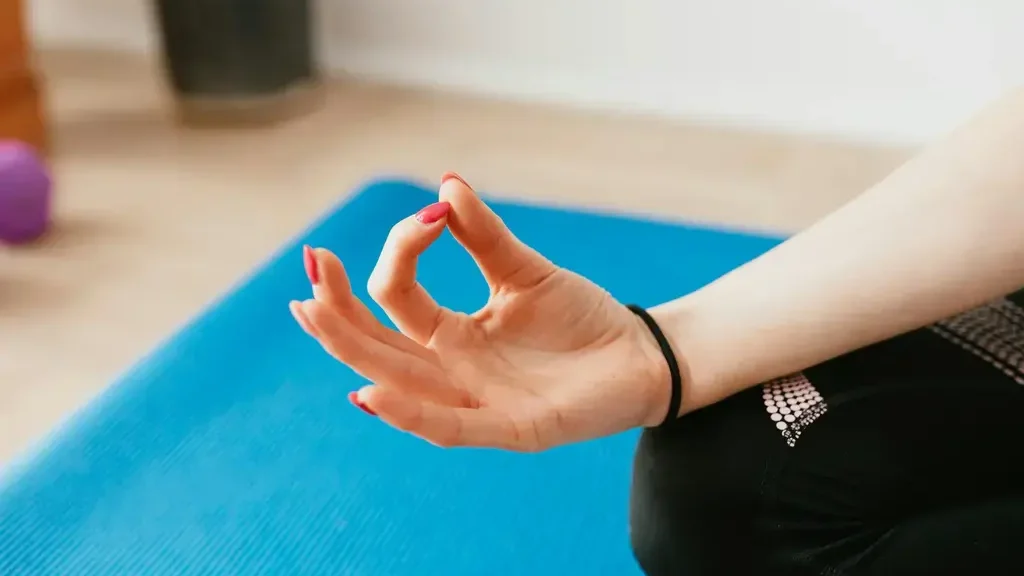
Move Your Body to Release Tension
Physical movement is an effective way to manage stress naturally.
Choose Gentle Activities
You don’t need intense exercise to feel better.
Options include:
- Walking outdoors
- Light stretching
- Simple home exercises
Stay Consistent
Regular movement, even for a short time each day, can help reduce tension and improve your mood.
Create Moments of Quiet During the Day
Taking short breaks can help prevent stress from building up.
Step Away from Tasks
Pause for a few minutes between activities.
Tip: Use this time to stretch, breathe, or simply sit quietly.
Limit Overload
Too many tasks at once can increase stress.
Suggestion: Focus on one task at a time to stay calm and organized.
Build a Balanced Daily Routine
A structured day can reduce uncertainty and help you feel more in control.
Set Realistic Goals
Avoid overloading your schedule.
Tip: Choose a few important tasks instead of trying to do everything at once.
Include Breaks
Plan short breaks to rest your mind.
Keep a Simple Plan
Writing down your tasks can help you stay focused and reduce stress.
Connect with Nature
Spending time in a natural environment can support relaxation.
Go Outdoors When Possible
Fresh air and natural surroundings can help clear your mind.
Simple ideas:
- Take a short walk
- Sit in a quiet outdoor space
- Observe your surroundings
Bring Nature Indoors
If going outside is not always possible, adding plants or natural light to your space can create a calming atmosphere.
Support Your Mind with Positive Habits
Your thoughts play an important role in how you feel.
Practice Gratitude
Focusing on positive aspects of your day can help shift your mindset.
Tip: Think of one or two things you appreciate each day.
Limit Negative Input
Constant exposure to negative information can increase stress.
Suggestion: Take breaks from news or social media when needed.
Make Time for Activities You Enjoy
Enjoyment is an important part of self-care.
Choose Simple Pleasures
You don’t need long hours to relax.
Examples:
- Listening to music
- Reading a book
- Spending time on a hobby
Schedule Personal Time
Treat this time as important, even if it’s short.
Create a Relaxing Evening Routine
Ending your day calmly can improve your overall sense of peace.
Slow Down Before Bed
Avoid intense activities close to bedtime.
Reduce Screen Time
Limiting screens can help your mind unwind.
Reflect on Your Day
Take a moment to think about what went well and what you learned.
Avoid Common Stress Triggers
Recognizing patterns can help you manage stress more effectively.
Overcommitting
Saying yes to too many responsibilities can lead to pressure.
Tip: Learn to set limits when needed.
Lack of Rest
Not getting enough rest can increase stress levels.
Ignoring Early Signs
Pay attention to signs like fatigue or irritability and respond early.
Build Consistency with Simple Habits
Consistency is more important than doing everything perfectly.
Start Small
Choose one or two habits and build from there.
Be Flexible
Some days may not go as planned, and that’s okay.
Track Your Progress
Noticing small improvements can keep you motivated.
Conclusion
Reducing stress naturally with daily self-care is about creating simple, supportive habits that fit into your life. By focusing on small actions—like mindful breathing, gentle movement, and quiet moments—you can gradually build a sense of calm and inner peace.
Remember, self-care does not need to be complicated or time-consuming. What matters most is consistency and awareness. With regular practice, these small habits can help you feel more balanced, focused, and ready to handle everyday challenges with greater ease.