

Keeping your home clean is not just about appearance—it also plays an important role in creating a comfortable and healthy living space. Dust can build up quickly on surfaces, fabrics, and hidden corners, and it may contribute to common allergy symptoms like sneezing or irritation. The good news is that reducing dust does not require complicated methods or expensive tools.
With a few simple habits and consistent cleaning, you can minimize dust and improve the overall air quality in your home. This guide shares practical, easy-to-follow tips that work for most households and can be maintained over time.
Table of Contents
Why Dust Builds Up in Your Home
Dust consists of tiny particles such as dirt, fabric fibers, and other airborne materials. It enters your home through open windows, doors, shoes, and even pets. Once inside, it settles on surfaces and can easily spread through movement or airflow.
Understanding how dust accumulates helps you control it more effectively rather than just cleaning it temporarily.
Create a Simple Cleaning Routine
Consistency is the key to reducing dust.
Clean High-Traffic Areas More Often
Some areas collect more dust than others, especially places where people move frequently.
Focus on:
- Living rooms
- Bedrooms
- Entryways
Cleaning these areas regularly prevents dust from spreading throughout the house.
Use a Weekly Cleaning Plan
Instead of cleaning everything at once, divide tasks across the week.
Example routine:
- Day 1: Dust surfaces
- Day 2: Vacuum floors and rugs
- Day 3: Clean fabrics and upholstery
This approach makes cleaning easier to manage and more effective.
Dust Surfaces the Right Way
Not all dusting methods are equally effective.
Use Damp Cloths Instead of Dry Ones
Dry dusting can move particles into the air instead of removing them.
Better method:
- Use a slightly damp microfiber cloth
- Wipe surfaces gently
- Rinse the cloth regularly
This helps trap dust instead of spreading it around.
Start from Top to Bottom
Dust falls as you clean, so always begin with higher surfaces.
Order to follow:
- Shelves and cabinets
- Tables and furniture
- Floors
This prevents you from cleaning the same area twice.
Manage Floors and Carpets
Floors are one of the biggest dust collectors in any home.
Vacuum Regularly
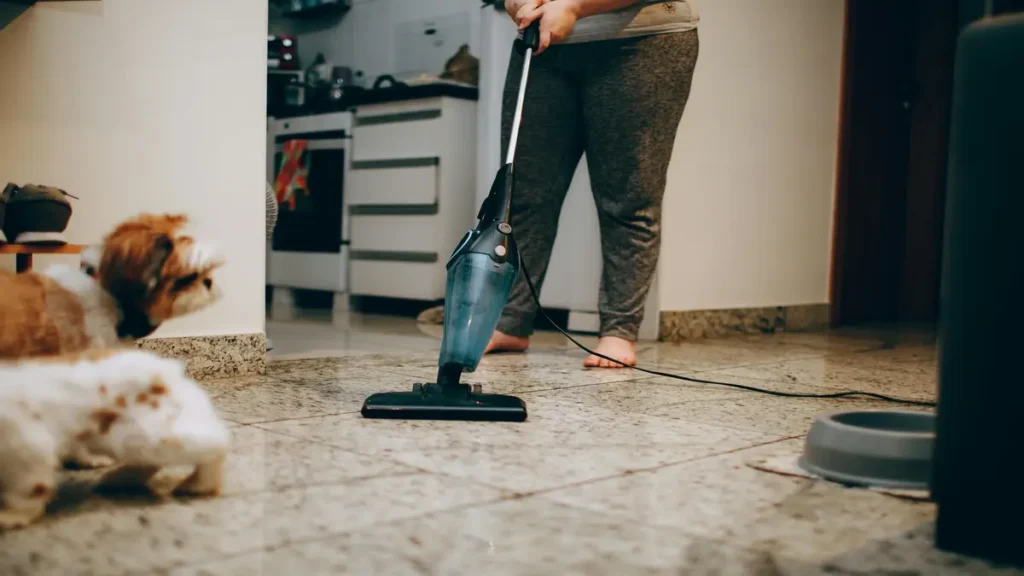
Vacuuming removes dust that settles deep into carpets and rugs.
Tips:
- Vacuum at least once or twice a week
- Move furniture occasionally to reach hidden areas
- Use slow, steady movements for better results
Consider Hard Flooring Options
Hard floors like tile or wood are easier to clean than thick carpets.
If replacing flooring is not an option, focus on regular carpet cleaning to reduce buildup.
Keep Fabrics Clean
Dust easily sticks to soft materials.
Wash Bedding Frequently
Beds can collect dust quickly due to daily use.
Best practices:
- Wash sheets and pillowcases once a week
- Use warm water when possible
- Allow items to dry completely before reuse
Clean Curtains and Upholstery
Curtains, sofas, and cushions often hold dust without being noticed.
Simple steps:
- Shake out curtains regularly
- Vacuum upholstery surfaces
- Wash removable covers when possible
Improve Air Circulation
Airflow plays a big role in how dust moves inside your home.
Open Windows Carefully
Fresh air helps reduce indoor buildup, but outdoor air can also bring dust in.
Balance is key:
- Open windows during low-dust times (early morning or evening)
- Avoid keeping windows open on windy days
Use Ventilation Systems Properly
Fans and ventilation systems can help move air, but they should be clean.
- Wipe fan blades regularly
- Keep vents free of dust
Reduce Clutter
Clutter gives dust more places to settle.
Keep Surfaces Clear
The more items you have on a surface, the harder it is to clean.
Try this:
- Keep only essential items on tables and shelves
- Store unused items in closed cabinets
Organize Storage Spaces
Closets and storage areas can collect hidden dust.
- Use storage boxes or containers
- Avoid overfilling spaces
A tidy home is easier to clean and maintain.
Control Dust from Outside
A large amount of dust enters from outside sources.
Use Doormats at Entrances
Placing mats at doors helps reduce dirt from entering your home.
Tips:
- Clean mats regularly
- Encourage wiping shoes before entering
Remove Shoes Indoors
Shoes can carry dust and dirt from outside.
Adopting a no-shoes policy inside the home can significantly reduce dust buildup.
Take Care of Pets
Pets can contribute to dust through hair and dander.
Groom Pets Regularly
Brushing pets helps reduce loose hair.
Helpful habits:
- Brush pets in a designated area
- Clean pet bedding often
Keep Pet Areas Clean
Regularly vacuum and wipe areas where pets spend time.

Maintain Air Filters and Devices
If you use air systems, keeping them clean is important.
Replace or Clean Filters
Air filters can trap dust, but they need maintenance.
Check regularly:
- Replace filters based on usage
- Clean reusable filters as instructed
Consider Simple Air Purifiers
Air purifiers can help reduce airborne particles in certain areas, especially bedrooms or living rooms.
Small Daily Habits That Make a Difference
Simple actions can help control dust without extra effort.
- Wipe surfaces quickly each day
- Shake out rugs or cushions outdoors
- Keep windowsills clean
- Avoid sweeping dry floors—use a damp mop instead
These small steps, when done regularly, help maintain a cleaner environment.
Common Mistakes to Avoid
Even with good intentions, some habits can increase dust.
Overusing Dry Cleaning Methods
Dry dusting and sweeping can spread particles instead of removing them.
Ignoring Hidden Areas
Dust often collects under furniture, behind appliances, and in corners.
Cleaning Too Infrequently
Waiting too long between cleanings allows dust to build up and become harder to remove.
Create a Comfortable, Low-Dust Environment
Reducing dust is not about perfection—it is about consistency and smart habits. By focusing on regular cleaning, proper techniques, and simple organization, you can create a space that feels fresher and more comfortable.
You do not need to change everything at once. Start with a few steps, build a routine, and adjust as needed.
Conclusion
Managing dust and reducing allergy triggers in your home is achievable with simple, practical steps. Regular cleaning, proper airflow, and mindful habits all work together to keep dust under control.
By staying consistent and paying attention to the areas that matter most, you can maintain a cleaner and more comfortable living space for yourself and your family over time.