

Living in a small space can feel challenging when it comes to storage. Whether you’re in a compact apartment or simply trying to organize a crowded room, finding enough space for your belongings is not always easy. However, with the right approach, even the smallest areas can feel organized and comfortable.
Smart storage is not about buying more furniture or filling every corner. It’s about using your space wisely, keeping only what you need, and creating simple systems that are easy to maintain. In this guide, you’ll discover practical and effective storage ideas that truly work for small spaces and help you stay organized every day.
Table of Contents
Understand Your Space Before Organizing
Before adding storage solutions, take time to understand how your space is currently used.
Evaluate What You Own
Start by going through your belongings. Keep items you use regularly and consider removing things you no longer need.
Tip: Reducing clutter makes it easier to organize what remains.
Identify Problem Areas
Look for spots where clutter builds up, such as entryways, kitchen counters, or closets.
Tip: Focus your storage efforts on these areas first for the biggest impact.
Use Vertical Space Effectively
When floor space is limited, vertical storage becomes essential.
Install Wall Shelves
Wall shelves help you store items without taking up valuable floor space.
Ideas for use:
- Books and decorative items
- Kitchen supplies
- Bathroom essentials
Add Hooks and Racks
Hooks are simple but very useful.
Where to use them:
- Behind doors
- In entryways for bags and coats
- In kitchens for utensils
Think Upward
Don’t forget the space near the ceiling.
Tip: Use higher shelves for items you don’t use every day.
Choose Multi-Functional Furniture
Furniture that serves more than one purpose is ideal for small spaces.
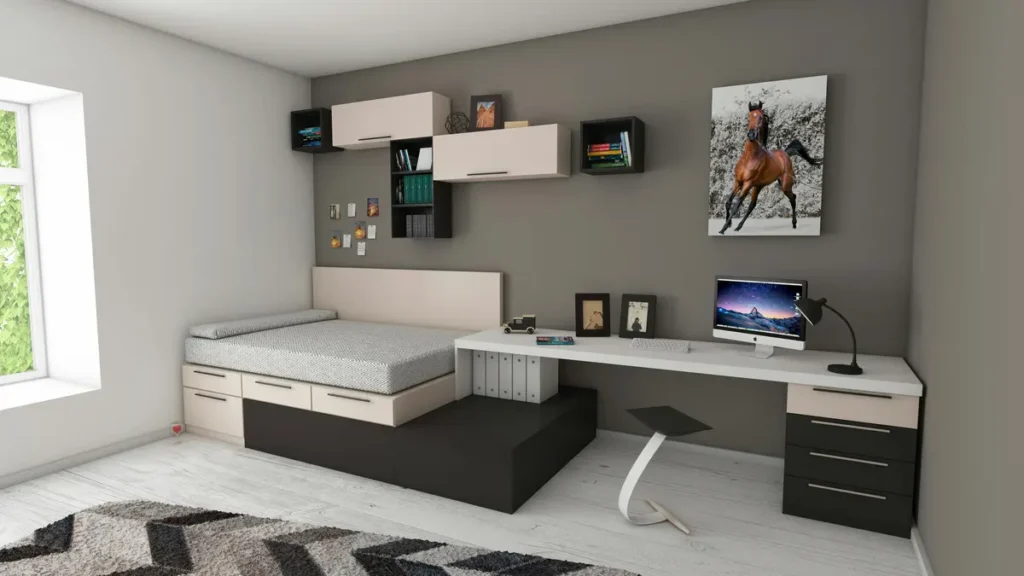
Storage Beds
Beds with built-in drawers or space underneath can hold clothing, bedding, or seasonal items.
Ottomans with Storage
These can be used as seating while also providing hidden storage.
Foldable or Expandable Furniture
Tables or desks that fold away when not in use can free up space.
Maximize Closet Efficiency
Closets often have more potential than we realize.
Use Storage Bins and Boxes
Organize smaller items into labeled bins to keep everything easy to find.
Add Extra Shelving
If your closet has unused vertical space, adding shelves can increase storage capacity.
Use Slim Hangers
Switching to thinner hangers can create more room for clothing.
Organize Small Items with Smart Solutions
Small items can quickly create clutter if not stored properly.
Drawer Dividers
Dividers help keep items separated and easy to access.
Best for:
- Clothing
- Accessories
- Office supplies
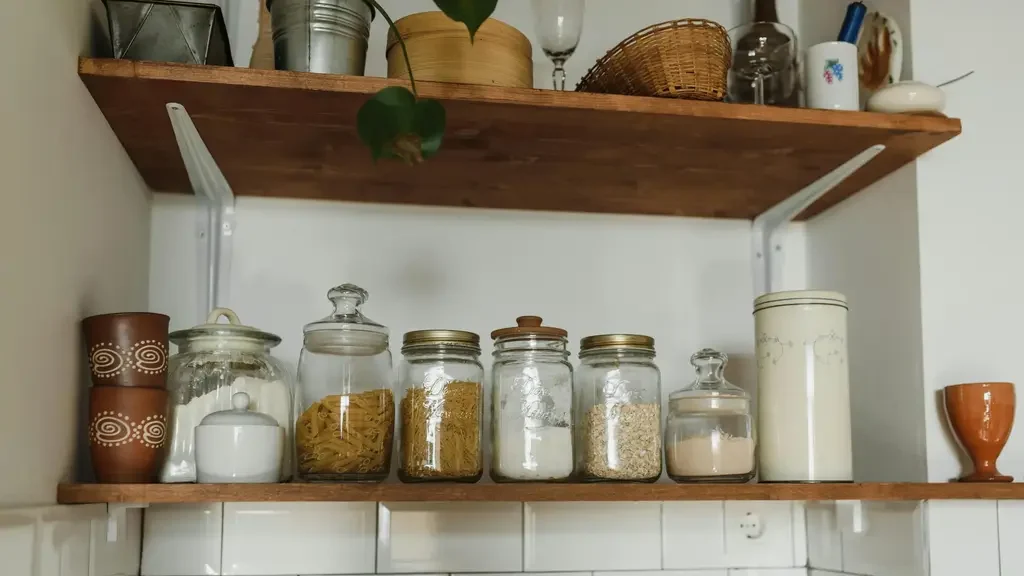
Clear Containers
Transparent containers make it easy to see what’s inside.
Tip: This reduces the time spent searching for items.
Make Use of Hidden Spaces
Some storage opportunities are often overlooked.
Under-Bed Storage
This is a great place for items you don’t use daily.
Examples:
- Seasonal clothing
- Extra bedding
Behind Doors
Door space can be used for hanging organizers.
Under Furniture
Low-profile storage boxes can fit under sofas or tables.
Keep Surfaces Clear
Cluttered surfaces can make a small space feel even smaller.
Limit What You Display
Keep only essential or meaningful items on counters and tables.
Create Designated Spaces
Give each item a specific place to reduce clutter buildup.
Develop Daily Organization Habits
Even the best storage systems won’t work without simple daily habits.
Put Things Back After Use
Returning items to their place prevents clutter from building up.
Do Quick Daily Cleanups
Spend a few minutes each day organizing small areas.
Avoid Overfilling Storage
Leave some extra space to make it easier to maintain order.
Use Labels for Better Organization
Labeling helps you stay organized over time.
Why Labels Help
They make it easier to find and return items.
Where to Use Labels
- Storage bins
- Pantry containers
- Closet boxes
Rotate and Review Your Items
Regularly reviewing your belongings keeps your space manageable.
Seasonal Rotation
Store off-season items separately to free up space.
Declutter Periodically
Every few months, check what you no longer need.
Tip: This prevents clutter from returning.
Common Mistakes to Avoid
Avoiding certain habits can make your storage system more effective.
Buying Storage Without a Plan
Adding containers without organizing first can create more clutter.
Keeping Too Many Items
Limited space requires careful choices about what to keep.
Ignoring Maintenance
Organization is an ongoing process, not a one-time task.
Create a Space That Feels Comfortable
Storage is not only about function—it also affects how your space feels.
Keep It Simple
Avoid overcomplicating your storage system.
Make It Practical
Choose solutions that fit your daily routine.
Maintain Balance
Leave some open space to avoid a crowded feeling.
Conclusion
Smart storage ideas that really work for small spaces are based on simplicity, creativity, and consistency. By using vertical space, choosing multi-functional furniture, and developing daily habits, you can make the most of your available space without feeling overwhelmed.
Remember, the goal is not to store more, but to organize better. With a thoughtful approach and practical solutions, even the smallest space can feel comfortable, functional, and easy to manage every day.