
Car cleaning and maintenance tips are an essential topic to understand. Your car represents one of your largest investments, yet most drivers unknowingly shorten its lifespan through neglect. With the average vehicle age in America now reaching 12.6 years, understanding proper maintenance has never been more critical for protecting your financial investment and ensuring reliable transportation.
Modern vehicles can realistically last 200,000 to 300,000 miles when properly maintained, according to Consumer Reports. However, this longevity isn’t automatic—it requires consistent attention to both mechanical and aesthetic care. Simple car maintenance tips, when followed religiously, can add years to your vehicle’s life while preventing costly repairs down the road.
Regular washing isn’t just about appearance; it’s essential maintenance that protects your car’s paint, prevents rust formation, and maintains resale value. Combined with routine mechanical care, these practices form the foundation of vehicle longevity. The difference between a car that lasts 150,000 miles versus one that reaches 250,000 miles often comes down to the owner’s commitment to preventive maintenance.
Ready to transform your approach to car care? Let’s start with the cleaning fundamentals that will keep your vehicle looking and running like new.
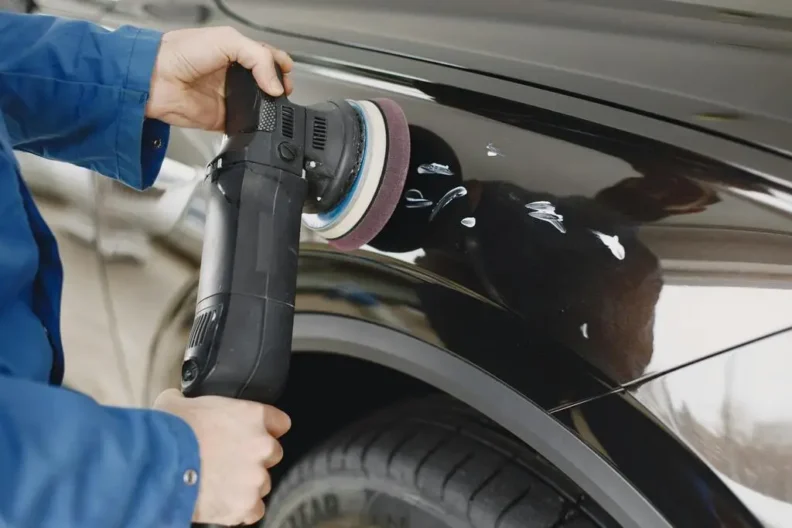
Table of Contents
Essential Cleaning Tips for Car Longevity
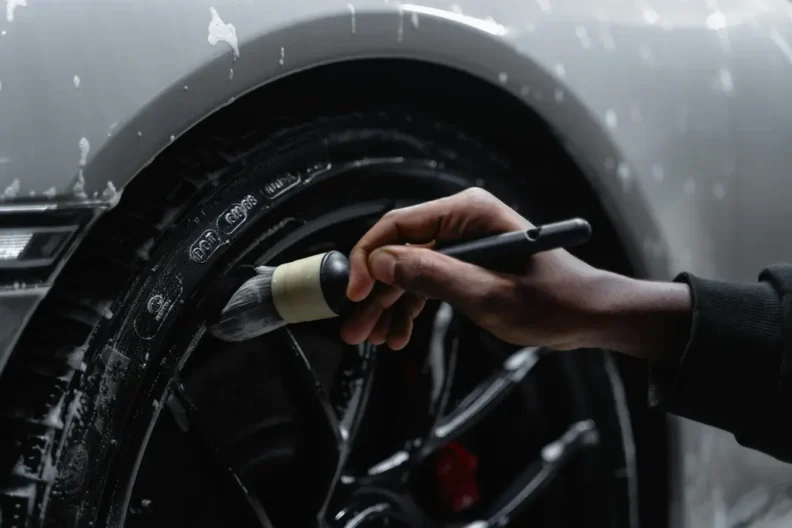
Regular cleaning isn’t just about aesthetics—it’s a crucial defense mechanism against the elements that can dramatically reduce your vehicle’s lifespan. Dirt, salt, and environmental contaminants act like sandpaper on your car’s surfaces, slowly eating away at paint, metal, and rubber components that protect your investment. The foundation of easy car cleaning starts with establishing a consistent washing routine. Washing your car every two weeks removes corrosive substances before they can cause permanent damage. Focus on areas where debris accumulates: wheel wells, door jambs, and the undercarriage where road salt lurks. A simple rinse-and-wash approach using the two-bucket method prevents scratching while effectively removing harmful contaminants.
Waxing car surfaces every three to four months creates a protective barrier that shields paint from UV rays, acid rain, and oxidation. This protective layer doesn’t just maintain your car’s appearance—it prevents the costly paint deterioration that can lead to rust formation.
Interior cleaning deserves equal attention, as neglected cabin environments accelerate wear on seats, dashboards, and electronic components. Regular vacuuming and surface cleaning prevent premature aging of interior materials, maintaining both comfort and resale value while supporting your car’s overall longevity goals.
Regular Maintenance Tasks to Keep Your Car Running Smoothly
Beyond regular cleaning, establishing a consistent maintenance routine is what truly separates vehicles that make car last longer from those that break down prematurely. According to research on vehicle longevity, cars that receive proper maintenance can significantly exceed the average lifespan expectations.
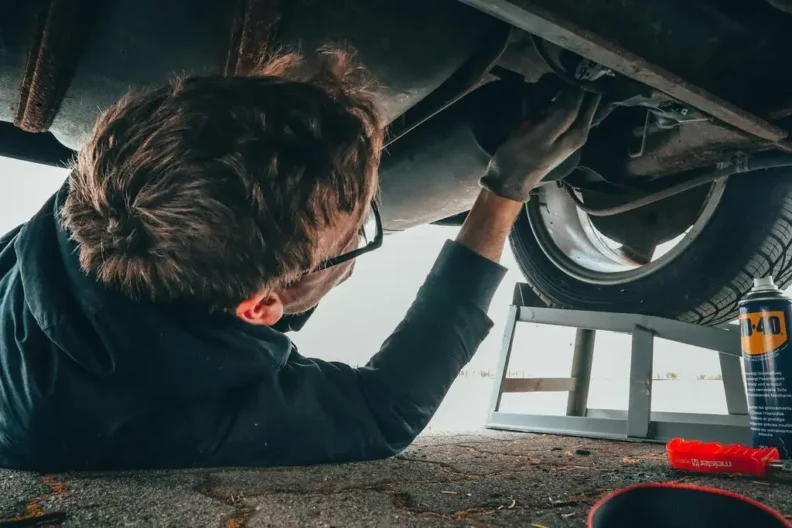
Oil changes remain the cornerstone of vehicle maintenance. Fresh oil lubricates engine components, prevents overheating, and removes contaminants that accumulate over time. Most vehicles require oil changes every 5,000 to 7,500 miles, though severe driving conditions may necessitate more frequent intervals.
Air filters deserve special attention as they directly impact engine performance and fuel efficiency. A clogged air filter forces your engine to work harder, reducing power and increasing wear. Replacing air filters every 12,000 to 15,000 miles—or more frequently in dusty conditions—is a simple task that yields significant benefits.
Tire maintenance encompasses regular pressure checks, rotation, and alignment monitoring. Properly inflated tires improve fuel economy and prevent premature wear, while regular rotation ensures even tread patterns across all four tires.
However, maintenance scheduling isn’t one-size-fits-all. Factors like driving habits, climate conditions, and vehicle age all influence maintenance frequency. These foundational tasks create the perfect foundation for implementing more advanced proactive measures that can further extend your vehicle’s operational life.
Proactive Measures to Extend Your Car’s Life
While regular cleaning and maintenance form the foundation of vehicle longevity, implementing proactive measures can dramatically extend your car’s operational lifespan beyond typical expectations. According to recent data, vehicles in the U.S. now average 12.6 years in age, but proactive owners routinely push their cars well past this benchmark.
Strategic driving habits play a crucial role in preservation. Avoiding aggressive acceleration, maintaining steady highway speeds, and allowing engines to warm up properly during cold starts reduces mechanical stress significantly. Similarly, parking in covered areas whenever possible shields your vehicle from UV damage, hail, and temperature extremes that accelerate deterioration.
Environmental awareness extends beyond weather protection. Limiting exposure to road salt, choosing alternative routes during construction seasons, and washing immediately after beach trips prevent corrosive damage. However, the most impactful proactive measure remains consistent documentation—keeping detailed records of maintenance, repairs, and driving conditions helps identify patterns before they become costly problems.
These proactive strategies work hand-in-hand with your maintenance routine, but they require special attention to one critical component that literally keeps your car moving forward.
Special Focus: Tire Care and Maintenance
Your tires represent one of the most critical—yet often overlooked—components of proper car maintenance. These four contact points between your vehicle and the road directly impact safety, fuel efficiency, and overall driving experience. According to NHTSA vehicle survivability data, tire-related issues contribute significantly to premature vehicle retirement.
Tire pressure monitoring should happen monthly, not just during seasonal changes. Under-inflated tires create excessive heat buildup and uneven wear patterns, while over-inflation reduces the contact patch and compromises grip. Check pressure when tires are cold, ideally before driving or at least three hours after your last trip.
Rotation schedules depend on your driving patterns and tire type. Front-wheel-drive vehicles typically need rotation every 5,000-7,500 miles, while all-wheel-drive systems may require more frequent attention. Cross-pattern rotation helps ensure even wear across all four corners.
Don’t ignore the penny test for tread depth assessment. Insert a penny into the tread groove with Lincoln’s head facing down—if you can see the top of his head, it’s time for replacement. However, consider replacement at 4/32″ tread depth rather than waiting for the legal minimum of 2/32″.
These tire maintenance practices create a foundation for understanding how consistent attention translates into measurable vehicle longevity benefits.
Case Study: Real-Life Impact of Regular Maintenance
The difference between well-maintained and neglected vehicles becomes strikingly apparent when examining real-world longevity data. According to Vehicle Survivability and Travel Mileage Schedules, vehicles that receive consistent maintenance demonstrate significantly higher survival rates at milestone mileages compared to those with sporadic care.
Consider the tale of two identical 2015 Honda Accords. Vehicle A receives oil changes every 5,000 miles, regular tire rotations, and seasonal inspections. Vehicle B operates on a “fix when broken” philosophy, extending oil change intervals to 10,000+ miles and ignoring minor issues until they become major problems.
By year eight, the contrast becomes dramatic. Vehicle A maintains its original performance characteristics, requires minimal unscheduled repairs, and retains higher resale value. Meanwhile, Vehicle B experiences engine knock, transmission slipping, and mounting repair bills that often exceed the vehicle’s worth.
Fleet data from Simply Fleet reveals that vehicles following manufacturer-recommended maintenance schedules typically operate 40% longer before requiring major repairs. This translates to thousands of dollars in avoided costs and extended usability.
The maintenance dividend compounds over time—small, consistent investments yield exponentially greater returns than reactive repairs.
Limitations and Considerations
While regular maintenance dramatically improves vehicle longevity, it’s important to recognize that proper car maintenance has its boundaries and doesn’t guarantee infinite vehicle life. Even the most diligent maintenance schedule cannot overcome fundamental design limitations or manufacturing defects that may emerge over time.
Environmental factors play a significant role in vehicle deterioration regardless of maintenance efforts. Cars exposed to harsh climates—whether extreme heat, cold, or high humidity—will experience accelerated wear on components like rubber seals, paint, and metal parts. Road salt in winter climates accelerates corrosion even with regular washing, while desert conditions can cause premature cracking of plastic and rubber components. Age-related deterioration affects certain systems regardless of usage patterns. Electronics, wiring harnesses, and computer modules can fail simply due to age, even in low-mileage vehicles. Similarly, some maintenance tasks like tire rotation can extend tire life but cannot prevent eventual replacement needs based on rubber compound aging.
Budget constraints also limit maintenance effectiveness. While basic maintenance is cost-effective, expensive repairs on older vehicles may not be economically justified. Vehicle survivability data shows that economic factors often determine when owners retire vehicles rather than purely mechanical limitations.
Understanding these limitations helps set realistic expectations about what maintenance can—and cannot—achieve for your vehicle’s lifespan.
Frequently Asked Questions About Car Maintenance
Q: How often should I really change my oil? Most modern vehicles can safely go 5,000-7,500 miles between oil changes, depending on your driving conditions and oil type. However, severe driving conditions—like frequent short trips, extreme temperatures, and or stop-and-go traffic—may require more frequent changes. Check your owner’s manual for manufacturer-specific recommendations rather than relying on quick-lube shop stickers. Q: What’s the most important maintenance task I’m probably neglecting?Brake checks top the list of overlooked maintenance tasks. Many drivers wait until they hear squealing or grinding sounds, but annual brake inspections can prevent costly repairs and ensure safety. A simple visual inspection of brake pads through wheel spokes takes minutes but can save thousands in rotor replacement costs.
Q: Can I really extend my car’s life significantly with maintenance? Absolutely. Research shows that well-maintained vehicles can exceed 200,000 miles regularly, while neglected cars often face major issues before 100,000 miles. The key difference isn’t just following the maintenance schedule—it’s staying proactive about inspections and addressing small issues before they cascade into expensive problems.
Q: Is expensive synthetic oil worth the extra cost? For most drivers, yes. Synthetic oils last longer, perform better in extreme temperatures, and provide superior engine protection. While the upfront cost is higher, the extended change intervals often make synthetic oil more economical than conventional alternatives.
Key Car Maintenance Tips Takeaways
The path to making your car last longer isn’t complicated—it’s about consistency and attention to detail. Regular maintenance creates a compound effect where small investments in time and money today prevent major expenses tomorrow.
Your most impactful actions center on the fundamentals: keeping up with oil changes, monitoring fluid levels, maintaining proper tire pressure, and addressing issues promptly rather than letting them escalate. These habits alone can extend your vehicle’s lifespan by years and thousands of miles.
Start with one habit at a time. Whether it’s checking your oil monthly, washing your car weekly, or scheduling seasonal maintenance, building these routines gradually makes them sustainable. Your future self will thank you when you’re driving a reliable, well-maintained vehicle that continues serving you faithfully for years to come.
The investment in proper maintenance always pays dividends in longevity, safety, and peace of mind.
Explore our complete home maintenance guide.