

A lipstick that survives your morning coffee is one thing. A lipstick that’s still intact after lunch, a video call, and a full afternoon is another. Most “long-wear” formulas make big promises on the label, but the real difference comes down to formula type, application technique, and lip prep — not just the price tag.
This guide breaks down the five lipstick formats that consistently outperform the rest for all-day wear, plus the small habits that make any lipstick last longer.
Table of Contents
What Actually Makes a Lipstick Long-Lasting
Three things determine how long a lipstick holds up over the course of a day:
- Finish: matte and semi-matte formulas grip the lips better than glossy ones, which tend to slide off with talking, eating, and drinking.
- Pigment load: highly pigmented formulas leave a “stain” behind even after the top layer wears away, so color fades gradually instead of disappearing all at once.
- Film-forming ingredients: many modern long-wear lipsticks use polymers that dry into a thin, flexible film on the lips — similar to how a gel nail polish sets. This film is what resists transfer onto cups, masks, and collars.
Color additives used in lipstick pigments are also regulated separately from other cosmetic ingredients — the FDA requires pre-market approval specifically for color additives, which is part of why highly pigmented, long-wear formulas can maintain consistent color without fading unevenly.
The trade-off is almost always comfort versus longevity. Formulas that last the longest tend to feel drier, which is why lip prep (covered further down) matters as much as the product itself — and lips lack the oil glands that the rest of your skin has, so they dry out faster than you’d expect from a normal skincare routine.
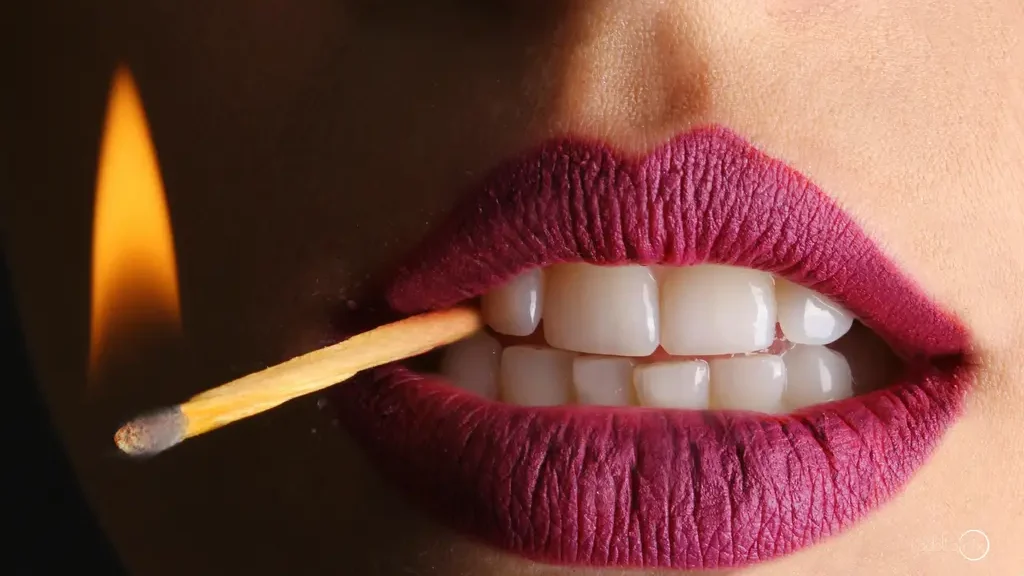
1. Liquid Matte Lipstick
Liquid matte lipsticks apply wet and set into a full-coverage matte finish within a minute or two.
Why they work: once the formula sets, it forms a dry, transfer-resistant layer that can realistically last 6–8 hours without a touch-up.
Best for: people who want maximum wear time and don’t mind a drier feel.
Watch out for: thick application can lead to cracking around the lip lines, especially in cold or dry weather.
Application tip: apply in one thin layer, wait 60 seconds, then decide if you need a second coat. Piling on product too fast is the #1 cause of cracking.
2. Long-Wear Lip Stain
Lip stains behave differently from traditional lipstick — instead of coating the lips, the pigment absorbs into the surface, leaving a soft wash of color behind.
Why they work: because the color bonds with the skin rather than sitting on top of it, stains don’t wipe off or transfer the way a cream lipstick does.
Best for: a natural, your-lips-but-better look that holds up through meals.
Watch out for: lower opacity — stains build color gradually rather than delivering full pigment in one swipe.
Application tip: layer a stain over a clear balm base for comfort without sacrificing the staying power, since the stain still bonds to the skin underneath.
3. Transfer-Resistant Bullet Lipstick
Classic bullet lipsticks have come a long way. Many current formulas combine a creamy application with a “set” phase that locks color in place.
Why they work: they blend the ease of a traditional lipstick with newer transfer-resistant technology, offering a middle ground between comfort and hold.
Best for: anyone who finds liquid mattes too drying but still wants several hours of wear.
Watch out for: they generally won’t outlast a true liquid matte through heavy activity (eating a full meal, for example).
Application tip: apply, blot lightly with a tissue, then apply a second thin layer — this “double coat” method roughly doubles the wear time of a standard bullet lipstick.
4. Lipstick and Gloss Duo
This two-step approach pairs a long-wear base color with a top coat of gloss.
Why they work: the base layer does the heavy lifting for color longevity, while the gloss adds shine and comfort without compromising the base’s hold.
Best for: anyone who misses the comfort of gloss but doesn’t want to sacrifice wear time.
Watch out for: the gloss layer wears off faster than the base and will need reapplication, even though the color underneath stays put.
Application tip: let the base color fully dry — usually 2–3 minutes — before applying gloss, or the two layers will mix and shorten the wear time of both.
5. Velvet Matte Lipstick
Velvet mattes sit between a liquid matte and a traditional bullet: soft-focus finish, but formulated to resist fading.
Why they work: they use lighter, more flexible pigments than classic mattes, so they hold color well without the same tightness or dryness.
Best for: people who want a matte look for all-day wear but found liquid formulas too harsh on the lips.
Watch out for: touch-ups are usually needed after eating, even though the color rarely disappears completely.
Application tip: line lips first with a matching liner — it acts as a “fence” that keeps a velvet matte from feathering into fine lines over the day.
Quick Comparison
| Format | Wear Time | Comfort | Best For |
|---|---|---|---|
| Liquid Matte | Highest (6–8 hrs) | Lower | Maximum longevity |
| Lip Stain | High, gradual fade | High | Natural everyday look |
| Bullet Lipstick (transfer-resistant) | Moderate–High | High | Balance of ease and hold |
| Lipstick + Gloss Duo | Moderate (base holds, gloss fades faster) | High | Shine without losing color |
| Velvet Matte | Moderate–High | Moderate | Soft matte finish, less drying |
How to Make Any Lipstick Last Longer
The formula matters, but application technique often makes a bigger difference than the product itself.
Prep the lips
- Gently exfoliate to remove flaking skin — color grips better on a smooth surface. Dermatologists caution against over-exfoliating if lips are already cracked, since it can worsen irritation rather than help.
- Apply a light balm, let it absorb for a minute, then blot away the excess. Skipping this step is the most common reason lipstick feels dry within an hour. — the same logic behind moisturizing before makeup in any anti-aging or daily skincare routine.
Line before you color: A lip liner in a matching shade creates a light barrier that helps prevent feathering and gives the color something to hold onto.
Layer instead of loading: Apply a thin coat, blot with a single-ply tissue, then add a second thin layer. This “blot and build” method consistently outlasts one thick application.
Set with translucent powder (optional): Pressing a thin veil of translucent powder over the lipstick through a tissue can extend wear by another hour or two, especially with cream-based formulas.
Choosing the Right Shade for All-Day Wear
Shade choice affects how noticeable fading is, even if the formula itself wears evenly.
- Neutral tones (nude, soft pink, muted berry) fade gradually and rarely look patchy, since the fading blends into the lips’ natural color.
- Bold tones (true red, deep wine) show wear more visibly — an uneven fade around the edges is more obvious against a saturated color, so precise application and periodic touch-ups matter more.
Common Mistakes That Shorten Wear Time
- Skipping lip prep: dry, flaky lips cause any formula to crack or fade unevenly, regardless of how “long-lasting” it claims to be.
- Applying too much at once: thick layers take longer to set and are more prone to smudging before they do.
- Ignoring the occasion: a formula built for comfort (like a gloss duo) isn’t the right choice for a full day of meals and meetings — match the format to how the day will actually go, not just the finish you like best.
FAQ
Does long-lasting lipstick dry out your lips?
Some formulas can, particularly liquid mattes with a high concentration of film-forming ingredients. Prepping lips with balm beforehand and choosing a hydrating variety within the category (velvet matte over classic liquid matte, for example) reduces this significantly.
How long should a long-wear lipstick realistically last?
Most well-formulated long-wear lipsticks hold color for 4–8 hours under normal conditions (talking, drinking water, light snacking). Full meals, oily foods, and hot drinks will shorten that window regardless of formula.
Is lip liner really necessary for long-lasting lipstick?
It’s not required, but it noticeably extends wear by creating a barrier that limits feathering — especially with warmer weather or oilier skin types.
Conclusion
There’s no single “best” long-lasting lipstick format — the right choice depends on how much wear time you need versus how much comfort you’re willing to trade for it. Liquid mattes win on pure longevity, stains win on a natural finish, and bullet or velvet formulas offer the best middle ground for everyday wear.
Whatever formula you choose, the application habits matter just as much as the product: prep, line, layer thin, and blot. That combination will extend the wear time of almost any lipstick, long-wear or not. — and pairs well with the rest of an everyday makeup routine built for lasting through a full day.