

Starting a garden can feel both exciting and a little overwhelming, especially if you have never grown plants before. The good news is that gardening does not have to be complicated. With a few simple steps and the right approach, anyone can create a healthy and enjoyable garden space.
Smart gardening is about making practical choices—using your space wisely, choosing the right plants, and building habits that make gardening easier over time. This guide will walk you through the basics so you can start your garden with confidence, even if you are a complete beginner.
Table of Contents
Understanding Your Space
Before planting anything, take time to observe your environment. Every garden is different, and understanding your space will help you avoid common mistakes.
Check Sunlight
Most plants need sunlight to grow well. Watch your garden area during the day and note:
- Full sun: 6–8 hours of direct sunlight
- Partial shade: 3–6 hours
- Shade: less than 3 hours
Choose plants that match the light conditions available.
Know Your Soil
Healthy soil is the foundation of a good garden. Basic soil should:
- Drain water well (not stay soggy)
- Feel slightly loose, not too hard
- Contain organic matter
If your soil is poor, you can improve it by adding compost or organic material.
Consider Space Size
You don’t need a large yard to start gardening. You can grow plants in:
- Small backyard plots
- Raised beds
- Containers on a balcony
Start small to make learning easier and more manageable.
Choosing the Right Plants
Selecting suitable plants is one of the most important steps for beginners.
Start with Easy-to-Grow Plants
Choose plants that are known for being low-maintenance, such as:
- Herbs (mint, basil, parsley)
- Leafy greens (lettuce, spinach)
- Simple flowers (marigolds, sunflowers)
These plants grow quickly and help build confidence.
Match Plants to Your Climate
Every region has different weather conditions. Pick plants that grow well in your local climate instead of forcing unsuitable ones to survive.
Decide Between Seeds and Seedlings
- Seeds are cheaper but take more time and care
- Seedlings (young plants) are easier and faster for beginners
Starting with seedlings can reduce frustration in your first gardening experience.
Preparing Your Garden
Good preparation can make a big difference in how well your garden grows.
Clean the Area
Remove weeds, rocks, and debris before planting. This helps your plants grow without competition for nutrients.
Improve the Soil
Mix compost into the soil to:
- Add nutrients
- Improve texture
- Support healthy root growth
Plan Your Layout
Arrange plants based on their size and needs:
- Taller plants at the back
- Smaller plants at the front
- Leave space between plants for airflow
Planning helps prevent overcrowding and disease.
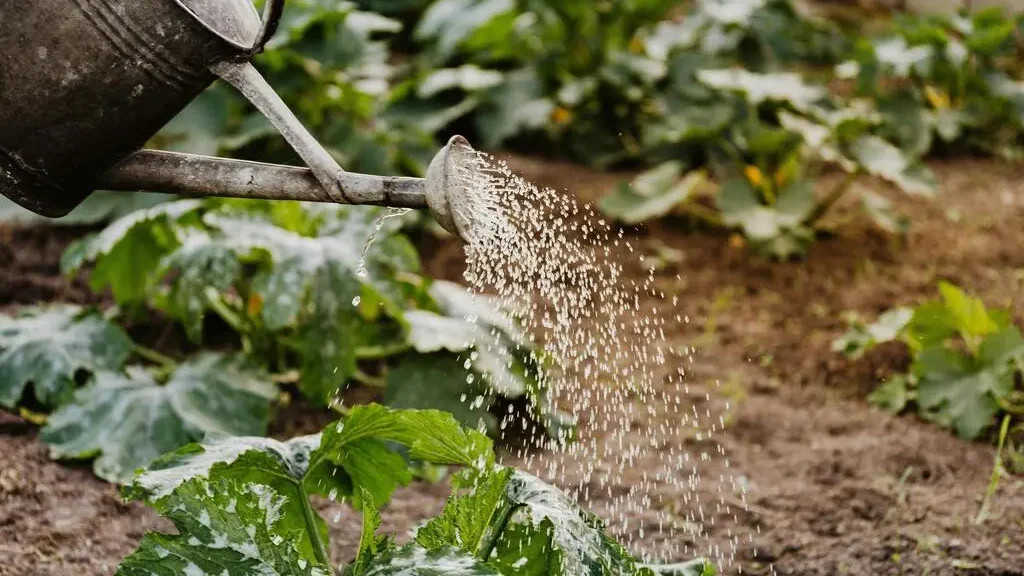
Watering the Right Way
Watering is simple, but doing it correctly matters.
Water Deeply, Not Frequently
Instead of watering a little every day, water thoroughly a few times per week. This encourages strong roots.
Water Early or Late
The best times to water are:
- Early morning
- Late afternoon
Avoid watering in the middle of the day when heat causes quick evaporation.
Avoid Overwatering
Too much water can damage plants. Signs of overwatering include:
- Yellow leaves
- Soft stems
- Moldy soil
Always check the soil before watering. If it feels moist, wait.
Basic Garden Maintenance
Regular care keeps your garden healthy and productive.
Remove Weeds
Weeds compete with your plants for nutrients and water. Pull them out regularly to keep your garden clean.
Prune When Needed
Cut off dead or damaged leaves to:
- Improve plant health
- Encourage new growth
Feed Your Plants
Use natural fertilizers or compost to give your plants extra nutrients during the growing season.
Smart Gardening Tips for Beginners
Start Small
It’s better to manage a small garden well than struggle with a large one. Expand gradually as you gain experience.
Use Containers if Needed
Container gardening is perfect for beginners because:
- It is easy to control soil quality
- It requires less space
- It is easier to manage watering
Label Your Plants
When starting, it’s easy to forget what you planted. Use simple labels to keep track.
Keep a Gardening Routine
Spend a few minutes each day checking your plants. This helps you spot problems early.
Learn from Mistakes
Not every plant will grow perfectly, and that’s normal. Gardening improves with practice.
Common Beginner Mistakes to Avoid
Planting Too Much Too Soon
Trying to grow many plants at once can become overwhelming. Start with a few and expand later.
Ignoring Sunlight Needs
Placing sun-loving plants in shaded areas can slow growth or cause failure.
Overwatering
One of the most common mistakes is giving plants too much water. Always check soil moisture first.
Skipping Soil Preparation
Poor soil leads to weak plants. Taking time to prepare soil improves results significantly.
Making Gardening Enjoyable
Gardening should not feel like a chore. Make it a relaxing and rewarding activity.
Create a Comfortable Space
Add simple elements like:
- A small seating area
- Clear walking paths
- Organized tools
Set Realistic Expectations
Plants take time to grow. Focus on progress rather than perfection.
Enjoy the Process
Pay attention to small changes:
- New leaves
- Flower growth
- Healthy color
These are signs that your efforts are working.
Conclusion
Starting a garden does not require expert knowledge or expensive tools. By understanding your space, choosing the right plants, and following simple care routines, you can build a healthy and enjoyable garden step by step.
Smart gardening is about making thoughtful decisions and learning as you go. Begin with a small setup, stay consistent, and give your plants the attention they need. Over time, your garden will grow—not just in size, but in your confidence and experience as well.