
Gardening Basics
Starting a garden transforms more than just your yard—it transforms your relationship with food, nature, and even your own well-being. Whether you dream of harvesting sun-warmed tomatoes or creating a colorful flower sanctuary, gardening basics form the foundation that separates thriving gardens from disappointing failures.
According to recent reports, a large percentage of households participate in gardening activities, proving that this ancient practice continues to captivate modern families. Yet many beginners feel overwhelmed by conflicting advice, complex terminology, and the fear of killing their first plants.
The truth is simpler: successful gardening relies on understanding core principles rather than memorizing endless rules. From soil preparation to plant selection, watering techniques to pest management, these fundamentals work together like ingredients in a recipe. Master these basics, and you’ll develop the confidence to experiment, adapt, and grow alongside your garden.
Every expert gardener started exactly where you are now—with curiosity, enthusiasm, and perhaps a few dead plants in their past. The journey ahead involves learning how your specific environment shapes your gardening success, starting with one crucial decision that affects everything else.
Table of Contents
Choosing the Right Location
The foundation of successful beginner gardening starts with selecting an optimal location that sets your plants up for thriving growth. Sunlight exposure is one of the most important factors—most vegetables and flowering plants require 6-8 hours of direct sunlight daily to reach their full potential.
When evaluating potential garden spots, observe how sunlight moves across your yard throughout the day. Areas that receive morning sun but afternoon shade work well for leafy greens, while full-sun locations support tomatoes, peppers, and most herbs. Sunset Magazine’s gardening guide emphasizes that understanding your specific microclimate prevents common rookie mistakes.
Soil drainage proves equally important as sunlight. Test drainage by digging a hole 12 inches deep and filling it with water—proper drainage means the water disappears within 24 hours. Poor drainage leads to root rot, while overly sandy soil requires frequent watering and amendments.
Consider practical factors like proximity to a water source, protection from strong winds, and accessibility for maintenance. A garden located too far from your kitchen often gets neglected, while one positioned near a hose connection makes watering manageable during dry spells. Choose a spot that balances ideal growing conditions with your lifestyle—success depends on both plant health and your ability to tend the garden consistently.
Essential Gardening Tools
Having the right tools transforms gardening from a frustrating chore into an enjoyable and efficient activity. While garden centers overflow with specialized gadgets, successful gardens require only a handful of essential tools that handle 90% of common tasks.
Basic hand tools form your gardening foundation. A quality spade handles digging and transplanting, while a garden fork loosens compacted soil and mixes amendments. Sharp pruning shears make clean cuts that promote plant health, and a sturdy trowel enables precise planting and weeding in tight spaces.
Maintenance tools keep your garden thriving throughout the season. A reliable hose or watering can ensures consistent moisture delivery, while a rake manages leaves and levels soil surfaces. According to Fine Gardening’s comprehensive guide, investing in durable tools prevents frequent replacements and reduces long-term costs.
A practical beginner gardening guide emphasizes quality over quantity when building your tool collection. Start with these core implements, then gradually add specialized tools as your skills and garden expand. Proper tool maintenance—cleaning after use and storing in dry conditions—extends their lifespan significantly. This foundation prepares you perfectly for understanding how these tools work with your garden’s most crucial element: the soil itself.
Understanding Soil and Nutrients
Healthy soil forms the living foundation of every successful garden, containing billions of microorganisms that work tirelessly to feed your plants. Quality soil should crumble easily in your hand while retaining some moisture, indicating the proper balance of sand, silt, and clay particles that allows both drainage and water retention.
Most garden soils benefit from organic matter additions like compost, which improves structure, and provides slow-release nutrients. The three primary nutrients plants need are nitrogen (for leafy growth), phosphorus (for root development and flowering), and potassium (for overall plant health and disease resistance). These appear as N-P-K numbers on fertilizer packages. Testing your soil’s pH level reveals whether plants can actually access available nutrients – most vegetables thrive in slightly acidic to neutral soil (pH 6.0-7.0). Simple soil test kits from garden centers provide this crucial information for less than $20.
Among the most valuable gardening tips for beginners: feed the soil, not just the plants. This approach builds long-term garden health while reducing the need for frequent fertilizing. With proper soil preparation, you’ll be ready to tackle your first growing projects.
Starting with Small Projects
Starting a garden doesn’t require transforming your entire yard overnight. Beginning gardeners often overwhelm themselves by attempting ambitious layouts that become unmanageable within weeks. A practical approach involves starting with a single 4×4 foot raised bed or even container gardening on a patio.
Small-scale projects offer immediate rewards while building essential skills. A herb garden near your kitchen door provides daily satisfaction, practical value—fresh basil, parsley, chives enhance meals while requiring minimal space, and maintenance. Container tomatoes or lettuce beds teach fundamental watering, fertilizing, and harvesting techniques without major commitment. Success breeds confidence in gardening. According to National Agricultural Library data, container gardens produce yields comparable to traditional plots when properly managed, making them ideal learning environments.
Start with three to five plant varieties maximum. Master these basics: consistent watering schedules, recognizing pest problems early, and understanding when vegetables reach peak ripeness. These foundational skills transfer seamlessly to larger gardens once you’re ready to expand your growing space and plant selection.
Plant Selection and Companion Planting
Choosing the right plants for your garden determines the difference between thriving crops and constant struggle. Smart plant selection considers your local climate zone, available sunlight, and soil conditions before making any purchasing decisions. Research which vegetables and flowers naturally thrive in your specific region, as native and adapted varieties require less water, fertilizer, and pest management.
Companion planting transforms gardens into efficient ecosystems where different plants support each other’s growth. Classic combinations like tomatoes with basil, corn with beans, and squash (the “Three Sisters”), where Plants can share nutrients, repel harmful insects, and maximize space utilization when positioned thoughtfully. Understanding how to garden effectively means recognizing that certain plants inhibit each other’s growth. Avoid pairing black walnut trees near vegetable beds, as they release chemicals toxic to tomatoes and peppers. Similarly, fennel and most vegetables don’t thrive together due to allelopathic effects.
Start with proven combinations before experimenting with complex polyculture systems. This foundational knowledge leads naturally to understanding proper watering schedules and techniques that keep these plant partnerships flourishing.
Watering Techniques and Best Practices
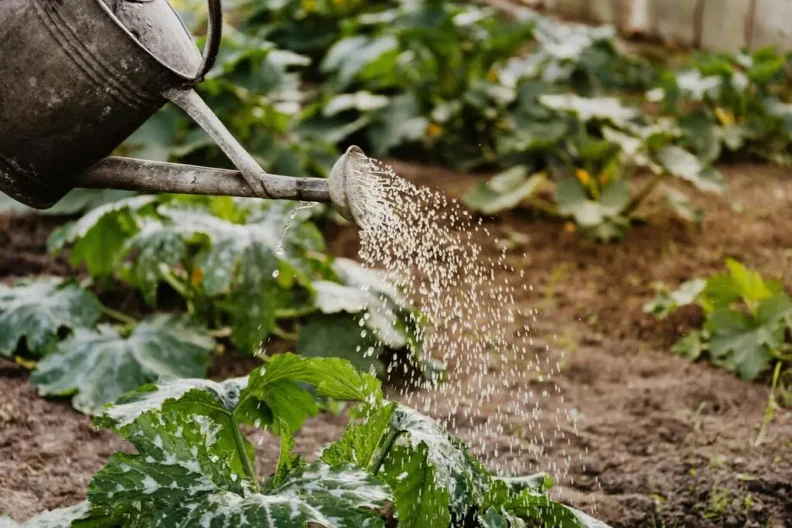
Proper watering techniques form the foundation of successful gardening, yet many gardeners unknowingly damage their plants through poor watering habits. The timing, frequency, and method of watering directly impact plant health, disease prevention, and overall garden productivity.
Water deeply but less frequently to encourage strong root development. Most plants benefit from thorough soaking once or twice weekly rather than daily light sprinklings. Deep watering forces roots to grow downward, creating drought-resistant plants that access nutrients from lower soil layers. Shallow, frequent watering creates weak surface root systems vulnerable to heat stress.
Morning watering between 6-8 AM provides optimal conditions for plant uptake while minimizing disease risk. Plants absorb water most efficiently during cooler temperatures, and morning watering allows foliage to dry before evening, reducing fungal problems. Evening watering keeps leaves wet overnight, creating ideal conditions for bacterial and fungal infections.
The quality of your soil preparation significantly influences water retention and drainage. Well-amended soil with organic matter holds moisture longer while preventing waterlogged conditions. Test soil moisture by inserting your finger two inches deep – if dry at this level, it’s time to water. This simple technique prevents both overwatering and underwatering, two common causes of plant failure.
Understanding these watering fundamentals helps gardeners avoid many cultivation problems, though even perfect watering practices won’t prevent all plant health issues that gardeners eventually encounter.
Common Pests and Disease Management
Effective pest and disease management requires a proactive approach that combines prevention, early detection, and targeted treatment. Regular inspection of your plants—ideally during morning garden walks—allows you to catch problems before they escalate into major infestations.
Prevention remains your strongest defense. Healthy plants naturally resist pests and diseases better than stressed ones. This means maintaining proper spacing for air circulation, avoiding overhead watering that promotes fungal growth, and ensuring plants receive adequate nutrients. Clean garden tools between uses, especially when moving between different plant varieties, to prevent spreading diseases.
Common warning signs include yellowing leaves, unusual spots, wilting despite adequate moisture, and visible insects on foliage. Aphids, spider mites, and whiteflies represent the most frequent pest challenges for home gardeners. For diseases, fungal issues like powdery mildew and bacterial leaf spots typically appear during periods of high humidity. Integrated pest management combines cultural practices, beneficial insects, and targeted treatments. Companion planting with marigolds, basil, or nasturtiums naturally deters many pests. When treatment becomes necessary, start with organic options like neem oil or insecticidal soap before considering synthetic alternatives.
Understanding these management principles prepares you to handle the specific challenges you’ll encounter in your garden.
Example Scenarios in Gardening
Real-world gardening situations help illustrate how basic gardening skills come together to solve common challenges. A common pattern is when new gardeners struggle with yellowing tomato leaves mid-season. What typically happens is the lower leaves turn yellow while upper growth remains green, indicating a nitrogen deficiency combined with natural aging. The practical approach involves removing affected leaves, applying balanced fertilizer, and adjusting watering to prevent nutrient leaching.
Container herb gardening presents another frequent scenario. Many beginners plant basil, oregano, and parsley together, only to discover different water requirements create problems. In practice, separating herbs by water needs—Mediterranean herbs in one container, moisture-loving herbs in another—prevents root rot while maintaining healthy growth.
Seasonal timing challenges often catch gardeners off-guard. Example scenario: planting cool-season crops like lettuce during hot weather leads to immediate bolting and bitter leaves. One practical approach is understanding your local frost dates and planting schedules, which garden planning resources emphasize as fundamental knowledge.
However, even experienced gardeners face limitations when environmental factors and plant biology intersect in unexpected ways.
Limitations and Considerations
Understanding gardening limitations helps set realistic expectations and prevents common frustrations. While the home gardening benefits are substantial, new gardeners should recognize that environmental factors largely dictate what’s possible in any given location.
Climate constraints represent the most significant limitation for gardeners. USDA hardiness zones determine which plants survive winter conditions, while summer heat tolerance varies dramatically between regions. A common pattern is enthusiastic gardeners attempting to grow plants unsuited for their climate, leading to disappointment despite following proper techniques.
Space limitations require creative solutions and plant selection adjustments. Container gardening offers alternatives for apartment dwellers, but root space restrictions limit plant size, and yield potential. Urban gardening statistics show that 23% of households engage in food gardening despite space challenges. Time investment often exceeds beginner expectations. Establishing garden beds, regular maintenance, and seasonal tasks require consistent commitment. However, acknowledging these constraints upfront allows gardeners to plan appropriately and choose projects matching their available time and space. The key is starting small and expanding gradually as skills and confidence develop through practical experience.
Key Takeaways
Successful gardening starts with mastering fundamental principles that apply universally, regardless of your experience level or garden size. The most critical foundation involves understanding your soil conditions, selecting appropriate plants for your climate zone, and establishing consistent watering practices. Quality gardening basics tools – including a reliable spade, pruning shears, and watering equipment – form the backbone of any productive garden operation. Planning before planting consistently yields better results than rushing into projects without proper preparation. A common pattern is that gardens thrive when gardeners focus on soil health first, plant selection second, and maintenance schedules third. However, gardening success also depends on realistic expectations and patience with natural growth cycles.
The households that engage in some form of gardening demonstrate that these skills are both achievable and rewarding for most people. Start small, focus on learning one technique thoroughly before adding complexity, and remember that even experienced gardeners continue learning through trial and observation.
Your gardening basics become a reflection of consistent attention to these basics rather than expensive equipment or advanced techniques.



Pingback: Creative Balcony Garden Ideas For Small Spaces