Healthy hair is one of those things that looks “effortless” on other people. And then you get home, look at your own ends, and think… okay, what am I doing wrong?
The annoying truth is that hair care is simple, but not automatic. It’s mostly small habits stacked together. Wash it in a way that doesn’t wreck your scalp. Don’t fry it with heat. Don’t rip through knots like you’re starting a lawnmower. Eat like a person who wants hair. That kind of thing.
This guide is for all hair types. Straight, wavy, curly, coily. Fine, thick. Oily scalp, dry ends. Color treated, natural, somewhere in between. You’ll still need to tweak based on your hair, but these tips are the boring basics that actually move the needle.
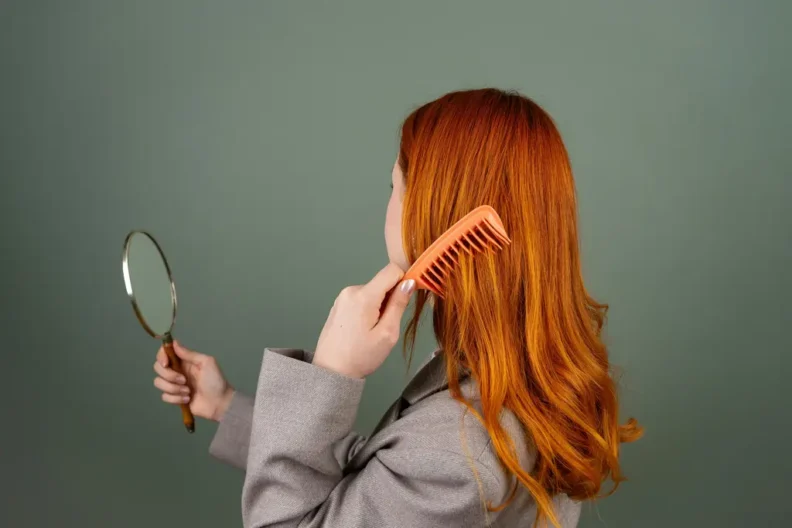
Table of Contents
Start with the scalp.
If your scalp is unhappy, your hair usually follows.
A lot of people treat hair like it’s just the strand. But hair grows out of skin. Oil glands, sweat, buildup, inflammation. All of that affects how your hair looks and how it sheds.
A few simple rules:
1) Wash your scalp, not your ends
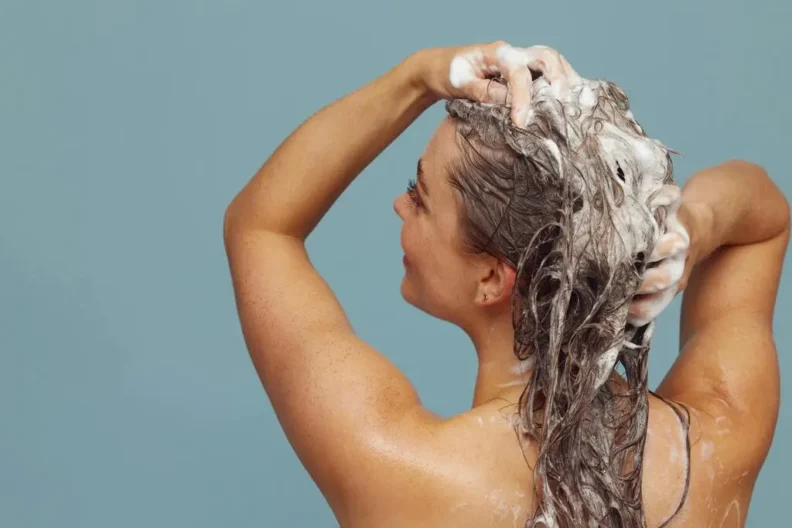
When you shampoo, focus the lather on the scalp. Use your fingertips, not nails. Small circles. Light pressure.
Let the suds rinse down the length. That’s enough for the ends most of the time. Ends are older. They’re more fragile. They don’t need aggressive cleansing.
2) Don’t “train” your hair with suffering
Some people try to force their scalp to be less oily by washing less and less. For some, that works. For many, it just means itchy scalp, flakes, and more shedding from irritation.
If your scalp is oily, wash it when it needs it. Daily, every other day, twice a week. There’s no morality to it.
3) Clarify when your hair starts acting weird
If your hair suddenly feels dull, heavy, sticky, or weirdly waxy even after washing, that’s often buildup. Styling products, hard water minerals, oils, dry shampoo.
Use a clarifying shampoo occasionally. Some people need it once a week, some once a month. Follow it with conditioner.
If you color your hair, just choose a gentle clarifier and don’t overdo it.
Shampoo and conditioner. Keep it basic, do it right
This is where a lot of people either overcomplicate… or don’t do enough.
4) Pick shampoo based on scalp, not hair type
Your scalp determines the shampoo category.
- Oily scalp: balancing or clarifying (not necessarily “stripping”), lightweight formulas.
- Dry or itchy scalp: gentle, moisturizing, fragrance light if you’re sensitive.
- Flaky scalp: you might need an anti dandruff active ingredient.
- Color treated hair: color safe is fine, but again, scalp needs come first.
5) Condition based on hair length and texture
Conditioner is for the hair strand. Not the scalp, unless your scalp is genuinely dry and your conditioner is scalp friendly.
- Fine hair: lighter conditioner, focus mid lengths to ends.
- Thick, curly, coily hair: richer conditioner is usually your friend, and you can use more of it.
Leave it on for a couple minutes. Detangle with it in, if your hair tolerates that. Rinse well.
6) If your hair is dry, don’t just buy “hydrating”. Change the routine
Dry hair often means one of these:
- You’re washing too harshly.
- You’re not conditioning enough.
- You use heat constantly without protection.
- You brush it aggressively.
- You need a trim, because split ends keep splitting.
Products help, but routine matters more.
Washing frequency. There’s no perfect schedule
People get weird about how often you should wash hair. Like there’s a universal answer.
There isn’t.
7) Wash based on scalp oil and lifestyle
Ask yourself:
- Does your scalp get itchy or greasy by day 2?
- Do you work out a lot and sweat?
- Are you using heavy products?
- Do you have fine hair that collapses easily?
If yes, wash more often. If not, you can stretch it.
And if you can stretch it, do it because it suits you, not because someone online said daily washing is “bad.”
8) Lukewarm water is underrated
Hot water feels great. It can also make dryness worse and irritate the scalp.
Try lukewarm for washing, and a cooler rinse at the end if you can handle it. It can help with frizz and shine for some people. Not magic. Just helpful.
Detangling without breaking your hair in half
Hair breaks when it’s stressed. And a huge amount of stress happens during detangling.
9) Detangle gently, and at the right time
For many hair types, the easiest time to detangle is:
- With conditioner in the shower, or
- After showering with a leave in spray or cream
Start at the ends. Work upward. Small sections.
If your hair is curly or coily, brushing it dry can turn into a breakage festival. Use fingers or a wide tooth comb, and do it when it has slip.
10) Use the right tool
- Wide tooth comb: great for curls, waves, and thick hair.
- Detangling brush: can work for many types, especially with conditioner or leave in.
- Fine tooth comb: only if you’re careful and your hair can tolerate it.
And if you hear snapping. That’s not “getting knots out.” That’s hair breaking.
Drying habits that keep hair healthier
How you dry your hair matters more than people think.
11) Stop rubbing with a towel like you’re sanding wood
Rough towel drying causes frizz and breakage.
Do this instead:
- Squeeze water out gently.
- Use a microfiber towel or a soft cotton t shirt.
- Pat and squeeze. Don’t rub.
12) Let it air dry partway before heat styling
If you blow dry soaking wet hair on high heat, you’re keeping heat on it for longer. More exposure, more damage. To minimize this risk, consider letting your hair air dry to maybe 60 to 80 percent first. Then finish with a dryer if you must. For effective techniques on how to blow dry your hair, refer to our detailed guide.
If your hair gets frizzy when air drying, use a leave in product and don’t touch it while it dries. Touching = frizz for a lot of people.
Heat styling. You can do it, just don’t do it recklessly
Heat is not evil. It’s just powerful.
13) Heat protectant is not optional
If you use a blow dryer, straightener, curling iron, hot brush. Use a heat protectant.
Spray, cream, serum. Whatever suits your hair. Apply evenly, especially on the outer layer and ends.
14) Lower the temperature
Most people use more heat than they need.
Fine hair often needs less heat. Thick hair might need more, but still, try to stay reasonable.
If you’re doing multiple passes on the same section, that’s usually a sign the hair wasn’t prepped well, or the tool isn’t great, or the section is too big.
15) Give your hair “no heat” days
Even one or two no heat days per week can make a difference over time. Do a bun, braid, claw clip, or just embrace the texture.
The goal is not perfection. It’s less cumulative damage.
Oiling, masking, and treatments. The stuff people love to debate
Let’s keep it practical.
16) Oil is not moisture. It’s a seal
Hair doesn’t get hydrated by oil the way skin does. Oil helps reduce friction, adds shine, can help seal in moisture if you apply it after a water based leave in.
For many people:
- A tiny bit of lightweight oil on ends helps with frizz and dryness.
- Heavy oil on scalp can worsen buildup or irritation.
If you love scalp oiling, do it lightly and shampoo well. If you notice itching or flakes after, maybe stop.
17) Hair masks. Use them, but don’t expect miracles
Masks can help softness and manageability. Especially for dry, bleached, or curly hair.
Use once a week or every two weeks. Apply to mid lengths and ends. Leave it on as directed. Rinse well.
If your hair feels coated or limp after masking, it might be too heavy. Use less, or use a lighter formula.
18) Protein vs moisture. Pay attention to how hair feels
This is where people spiral, but you don’t have to.
- If hair feels mushy, overly stretchy, limp, it may benefit from some protein.
- If hair feels stiff, rough, straw like, it may need more moisture and less protein.
You can alternate. Or keep it simple and use a balanced product occasionally.
If you bleach or color a lot, bond building treatments can help with strength. Not mandatory, but helpful for damaged hair.
Breakage, split ends, and why trims still matter
19) You can’t repair split ends permanently
Products can temporarily smooth them. But a split end is a physical split.
If you want hair to look healthier, trims matter. Even small ones.
A practical approach:
- Trim every 8 to 12 weeks if you’re growing hair and you notice splitting.
- If you don’t use heat and your hair stays healthy, you can go longer.
- If you bleach or straighten often, you might need more frequent dusting trims.
20) Protective styles are not just for one hair type
Protective styling just means low friction, low tension styles that reduce breakage. This concept isn’t limited to a specific hair type; it can be beneficial for everyone.
Examples:
- Loose braid
- Low bun with a soft scrunchie
- Claw clip twist
- Satin bonnet or scarf at night
Which brings me to…
Nighttime habits. Small change, big payoff
21) Sleep on something that doesn’t rough up your hair
Switching to a silk or satin pillowcase reduces friction, preventing breakage and frizz while you rest. For more ways to optimize your rest, check out our guide on Self-Care Tips for Better Sleep and Energy Levels.
22) Don’t go to bed with soaking wet hair
It’s more fragile when wet. Plus the friction on a pillow while it’s wet can cause breakage and weird bends.
If you shower at night, let it dry at least mostly before sleep, or loosely braid it when damp if your hair type tolerates that.
Hair care by hair type. Quick adjustments that help
These are generalizations, but useful ones.
Straight hair
- Can get oily faster because oil travels down the strand more easily.
- Don’t overload with heavy oils and butters if you want volume.
- Clarifying can help if hair looks flat.
Simple routine: shampoo when needed, lightweight conditioner on ends, occasional clarifier, heat protectant if styling.
Wavy hair
- Often gets frizzy easily, and gets weighed down easily. Fun combo.
- Use light leave in products, and don’t overbrush dry hair.
- Scrunching with a light gel or mousse can define waves without heaviness.
Simple routine: gentle shampoo, conditioner, leave in, optional mousse, dry with microfiber towel.
Curly hair
While the above tips are great for straight and wavy hair types, curly hair requires special attention. It’s essential to understand the unique needs of curly locks to maintain their health and prevent breakage.
Curly hair
- Usually needs more moisture and more gentle handling.
- Detangle wet with conditioner. Avoid brushing dry.
- Style with a curl cream or gel for definition, then don’t touch until dry.
Simple routine: shampoo as needed, rich conditioner, leave in, curl styler, satin pillowcase.
Coily hair
- More prone to dryness because natural oils travel down the strand less easily.
- Protective styling and regular conditioning help a lot.
- Low manipulation is key. Less daily combing, more planned detangling sessions.
Simple routine: moisturizing shampoo or co wash if it works for you, deep conditioner, leave in, seal ends lightly, protective style, bonnet at night.
Fine hair
- Gets weighed down fast.
- Needs gentle but thorough cleansing if oil builds up.
- Heat damage shows quickly, so protect it.
Simple routine: wash as needed, light conditioner, avoid heavy oils, minimal heat or low heat.
Thick hair
- Can handle richer products, but also needs more time to rinse properly.
- Product buildup can hide in there. Rinse longer than you think.
- Sectioning helps for everything. Washing, conditioning, styling.
Simple routine: shampoo well, rich conditioner, weekly mask, leave in, heat protectant if styling.
Common scalp issues (and what to do first)
Not medical advice, obviously. But these are the basic, reasonable first steps.
23) Dandruff or flakes
Flakes can be dry scalp. Or dandruff. Not always the same.
If you have oily flakes, itch, and recurring flaking, try an anti-dandruff shampoo with an active ingredient (like ketoconazole or zinc pyrithione depending on what’s available where you live). Use it as directed and give it a few weeks.
If it’s just dry and tight scalp, go gentler. Avoid harsh shampoos and reduce hot water usage. Consider fragrance-free products.
If it’s severe or not improving despite these adjustments, that’s a dermatologist situation.
For maintaining healthy hair regardless of type or condition, you might find inspiration from this lazy regimen that emphasizes simplicity while still achieving great results.
24) Hair shedding
Some shedding is normal. But if you notice sudden increased shedding, thinning, or bald patches, look at the bigger picture:
- Recent illness, stress, rapid weight loss?
- Iron, vitamin D, thyroid issues?
- New medication?
- Tight hairstyles?
Hair reflects health. If shedding is dramatic or ongoing, it’s worth getting checked.
Food, stress, and the stuff nobody wants to hear
Hair is not just shampoo.
25) Eat enough protein and nutrients
Hair is made of protein. If your diet is low in protein, or you’re not eating enough overall, hair growth and strength can suffer.
Also watch basics like iron, zinc, omega 3s, vitamin D. If you suspect deficiencies, get labs instead of blindly buying supplements.
26) Stress shows up in hair
Chronic stress can trigger shedding for some people. Not immediately, either. It can show up months later, which makes it extra confusing.
You can’t “hair care” your way out of that. But you can reduce extra damage while your body recovers. Gentle styling, good scalp care, decent sleep. The boring stuff again.
A simple routine you can copy (and adjust)
If you’re overwhelmed and want a starting point, try this for 3 to 4 weeks:
- Shampoo the scalp as often as it needs (maybe 2 to 4 times a week).
- Condition mid lengths to ends every wash.
- After shower: leave in conditioner or a light cream on ends.
- Detangle gently, start from ends.
- Heat protectant every time you use heat.
- Clarify once every 2 to 4 weeks if you use styling products.
- Sleep on satin or use a bonnet.
- Trim when ends look rough and keep splitting.
Then adjust one thing at a time. Not ten things at once. That’s how you actually figure out what works.
Let’s wrap this up
Healthy hair isn’t about having a shelf full of products. It’s mostly technique, consistency, and not fighting your own texture every day.
Focus on scalp health. Be gentle when it’s wet. Condition like you mean it. Protect it from heat. Reduce friction at night. Trim when needed. And if something feels off for weeks, not just a bad hair day, address the scalp or get it checked instead of buying another miracle bottle.
Simple hair care. Annoyingly effective.
FAQs (Frequently Asked Questions)
How should I wash my scalp and hair to maintain healthy hair?
Focus shampooing on your scalp using fingertips in small circles with light pressure. Let the suds rinse down the length of your hair, as ends are older and more fragile and don’t need aggressive cleansing.
How often should I wash my hair based on my scalp type and lifestyle?
Wash your hair according to how oily or itchy your scalp gets, your activity level, and product use. If your scalp feels greasy or itchy by day 2, or you work out a lot, wash more often. There’s no universal schedule; tailor it to what suits you.
What type of shampoo should I choose for my scalp condition?
Select shampoo based on your scalp needs: balancing or clarifying for oily scalps; gentle, moisturizing, fragrance-light formulas for dry or sensitive scalps; anti-dandruff shampoos if you have flakes; and color-safe shampoos if your hair is color treated.
How can I prevent dryness and damage to my hair strands?
Dry hair often results from harsh washing, insufficient conditioning, frequent heat styling without protection, aggressive brushing, or split ends. Adjust your routine by washing gently, conditioning adequately (especially mid-lengths to ends), protecting from heat, detangling carefully, and trimming split ends.
What’s the best way to detangle hair without causing breakage?
Detangle gently using fingers or a wide-tooth comb when your hair has conditioner in it or after applying leave-in products. Start detangling from the ends upwards in small sections. Avoid brushing dry curly or coily hair as it can cause breakage.
Why is lukewarm water recommended for washing hair instead of hot water?
Lukewarm water helps prevent dryness and scalp irritation caused by hot water. Ending with a cooler rinse can also reduce frizz and enhance shine for some people. While not a magic fix, it’s a helpful step in maintaining healthy hair.