
Stress wears you down slowly, often without you noticing until exhaustion hits, but small daily choices can push it back. You can cut stress naturally by using simple self-care habits each day that calm your mind, boost your energy, and help you handle pressure better.
This post shows how stress affects your body and mood, then gives practical self-care steps—like mindfulness, movement, better sleep, and healthier meals—that fit into a busy life. You’ll also find tips to turn those steps into a routine that lasts and extra strategies for tougher days.
Start with easy actions you can keep doing. The goal is steady change, not perfection, so you feel more balanced and able to handle what comes next.

Table of Contents
Understanding the Impact of Stress
Stress can come from many parts of your life and affects both your body and mind. Knowing the typical triggers, how stress shows up in you, and why choosing natural coping methods matters helps you pick simple daily actions that work.
Common Causes of Daily Stress
Daily stress often comes from predictable sources you can change or manage. Work deadlines, heavy commutes, and long hours are common triggers. Financial worries, like bills or unstable income, add constant low-level pressure.
Relationships can cause stress too. Ongoing conflicts with family, partners, or coworkers create repeated emotional strain. Caring for children or aging relatives increases daily demands and decision-making load.
Lifestyle factors also matter. Poor sleep, inconsistent eating, and lack of exercise make small problems feel bigger. Overuse of screens and constant notifications keep your nervous system on alert. Identifying which of these affect you most helps you target easy changes.
Physical and Mental Effects of Stress
Stress activates your body’s fight-or-flight responses. You might notice faster heartbeat, tense muscles, headaches, or stomach upset. When these responses stay turned on, you can get sleepy during the day or have trouble falling asleep at night.
Mentally, stress can make it harder to focus, remember things, or make decisions. You may feel more irritable, anxious, or down than usual. Over time, chronic stress raises your risk for high blood pressure, weight changes, and persistent mood problems.
Behavior changes also show up. You might eat more or less, isolate from friends, or use alcohol or caffeine to cope. Spotting these signs early gives you a better chance to slow the effects with simple daily habits.
Why Natural Stress Reduction Matters
Natural stress reduction focuses on small, sustainable routines you can do every day. Practices like regular walks, short breathing exercises, and consistent sleep support your body without side effects. These approaches lower stress hormones and improve sleep and mood.
Natural methods build resilience. When you add gentle exercise, mindful pauses, and better meal timing, your reactions to stress drop over weeks. They also improve energy and thinking, so you perform better at work and home.
Using natural tools first can reduce reliance on quick fixes like excess caffeine or alcohol. That improves long-term health and makes it easier to handle future stress without large health risks.
Daily Self-Care Practices for Stress Relief
You can use short, simple habits that fit into your day to lower stress and feel more steady. Small choices—what you eat, how you move, how you rest, and short mental practices—matter more than big, rare changes.
Mindfulness and Meditation Techniques
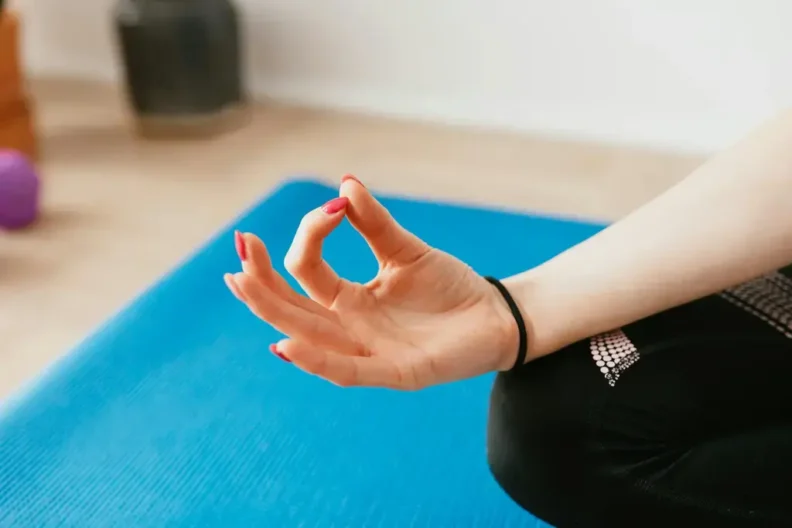
Use brief, regular practices to calm your nervous system. Try a 3–5 minute breathing exercise: sit upright, inhale for 4 counts, hold 2, exhale for 6. Repeat five times. That slows your heart rate and clears urgent thoughts.
Try the 5-4-3-2-1 grounding method when anxiety rises: name 5 things you see, 4 you can touch, 3 you hear, 2 you smell, and 1 you taste. Do it slowly and notice details. This brings you back to the present quickly.
If you prefer guided help, use short apps or recordings for body scans or loving-kindness meditations. Practice once in the morning and again before bed, even for 5–10 minutes. Consistency matters more than session length.
Movement and Gentle Exercise
Aim for 20–30 minutes of light activity most days to cut stress hormones. Walk briskly, do gentle yoga, or follow a short online mobility routine. These activities boost mood chemicals without tiring you out.
Include one strength or balance exercise twice weekly. Squats, wall push-ups, or single-leg stands take little time and improve resilience. Break movement into 10-minute blocks if a longer session feels hard.
Pay attention to how your body feels afterward. Gentle sweating and deeper breathing are good signs. If pain appears, reduce intensity and consult a professional.
Nourishing Your Body with Healthy Choices
Choose whole foods that keep energy steady and mood stable. Eat regular meals with protein, healthy fats, and fiber—examples: oatmeal with nuts, yogurt and fruit, or a turkey and veggie sandwich on whole-grain bread.
Limit high-sugar snacks and excess caffeine, especially late in the day. These can spike anxiety and disrupt sleep. Drink water throughout the day; dehydration can worsen tension and headaches.
Use simple meal habits: plan two easy, balanced meals each day and prep one snack. Small planning steps reduce decision fatigue and lower stress linked to rushed or skipped meals.
Prioritizing Quality Sleep
Set a consistent wake and bed time, even on weekends. Regular sleep times help your body’s internal clock and reduce nighttime worry. Aim for 7–9 hours if you can.
Create a simple wind-down routine: dim lights 30–60 minutes before bed, turn off screens, and do a calming activity like reading or light stretching. Keep your bedroom cool, dark, and quiet.
If your mind races, write a short “worry list” before bed to offload tasks. If sleep problems persist, check for sleep apnea, caffeine timing, or medication effects with your clinician.
Building a Sustainable Self-Care Routine
A good self-care routine fits your life, protects your energy, and grows with you. Focus on habits you can do most days, set clear limits, and check progress so the routine lasts.
Personalizing Your Self-Care Plan
Start by listing things that boost your mood, energy, or focus. Include simple actions like 10-minute walks, 7–8 hours of sleep, drinking two liters of water, or a short breathing break after a meeting. Rank these by how doable they are on weekdays and weekends.
Match actions to time and context. Pick micro-habits for busy times (stretch at your desk) and longer rituals for free time (a 20-minute hobby session). Choose one physical, one mental, and one emotional habit to begin. Write them down and put reminders in your phone or on sticky notes where you’ll see them.
Adjust after two weeks. Drop what feels forced and keep what lifts you. Small changes are better than drastic ones.
Setting Realistic Goals and Boundaries
Set clear, measurable goals. Replace “exercise more” with “walk 20 minutes, 4 times a week” or “sleep by 10:30 p.m. on weeknights.” Use short time frames—two weeks or one month—to test new habits.
Create boundaries that protect your routine. Tell one person your plan so they can support you. Block specific calendar time for self-care and treat it like an appointment. Say no to one extra task a week if it keeps your energy steady.
If you miss a day, reset without guilt. Track why it happened—was the goal too big, or did something unexpected come up? Change the goal or the support system, not your worth.
Tracking Progress and Staying Motivated
Use a simple tracker: a paper calendar, a habit app, or a checklist in your planner. Mark completed habits each day. Seeing streaks helps you keep going.
Review weekly. Note what you did, how you felt, and one small tweak for the coming week. Celebrate small wins—three consistent nights of sleep or a full week of 10-minute walks.
When motivation dips, switch the cue or reward. Move your walking spot, pair a habit with music or a podcast, or reward five completed days with a low-cost treat. Use reminders, accountability with a friend, and flexible rules so the routine adapts instead of breaking.
Additional Strategies for Reducing Stress Naturally
These tools help you build steady support, cut down on constant digital noise, and use creativity to reset your mind. Each one gives practical steps you can try this week.
Connecting with Supportive Communities
Reach out to people who share your interests or values. Join a local group, class, or online forum where members meet regularly. Look for groups with clear rules and active moderators to keep conversations constructive.
Make small, practical commitments: attend one meeting a month, message one person each week, or join a volunteer shift. Those regular actions build trust and reduce feelings of isolation. When you talk, focus on sharing one real feeling and asking one question. That keeps interactions simple and meaningful.
If you need professional help, ask for referrals from primary care or use trusted directories. Group therapy and peer-support groups offer both social contact and tools for coping. Keep a short list of two or three contacts you can call when stress spikes.
Limiting Technology and Information Overload
Set specific limits on screen time and news checks. Try a 20-minute morning rule: no news or social apps until after you finish a morning routine (water, movement, breakfast). Use app timers or “do not disturb” modes to enforce limits.
Curate your feeds by unfollowing accounts that trigger anxiety. Replace scrolling with one calming habit like a 5-minute walk or breathing exercise. Schedule one 30- to 60-minute block each evening to catch up on messages and news instead of constant checking.
Choose sources you trust and limit the number you follow to two or three. Turn off nonessential notifications. These changes reduce reactive stress and free time for activities that restore your focus and mood.
Incorporating Creative Outlets
Pick a simple creative activity you can repeat, such as drawing, journaling, cooking a new recipe, or playing a song. Start with short sessions—10 to 20 minutes—and aim for consistency over perfection. The goal is process, not product.
Use prompts to get started: write three things you noticed today, sketch an object for five minutes, or try a 15-minute beginner recipe. Treat creative time like an appointment: block it on your calendar and protect it from interruptions.
Consider low-cost supplies or free digital tools to experiment without pressure. Join a weekly class or online challenge for accountability. Creativity shifts focus away from worry and gives you a quiet, hands-on way to lower stress.
Final Thoughts
Reducing stress naturally doesn’t require dramatic lifestyle changes. Small, consistent self-care actions — better sleep, mindful pauses, gentle movement, and supportive connections — can gradually restore balance and resilience.
The key is not perfection but consistency. Choose one or two habits to start, build momentum, and adjust as your needs change. Over time, these daily practices can transform how you respond to pressure and help you maintain a calmer, healthier state of mind.