
Home Maintenance: Why It Matters
Owning a home comes with freedom, comfort, and pride — but also responsibility. Small problems don’t stay small for long. A loose shingle, a tiny leak, or a clogged gutter can quietly turn into costly damage if ignored for months.
Many homeowners only react when something stops working. Unfortunately, emergency repairs are usually the most expensive, stressful, and disruptive. Regular home maintenance, on the other hand, keeps your home safe, efficient, and comfortable while protecting its long-term value.
The good news is that effective home maintenance doesn’t require professional skills or a huge budget. Most essential tasks are simple, inexpensive, and take only a few minutes when done regularly. Think of maintenance as routine care — similar to servicing a car to avoid breakdowns.
This guide breaks down the most important home maintenance tasks by monthly, seasonal, and yearly schedules. Following these steps will help you prevent major problems, reduce repair costs, and enjoy a more reliable home.
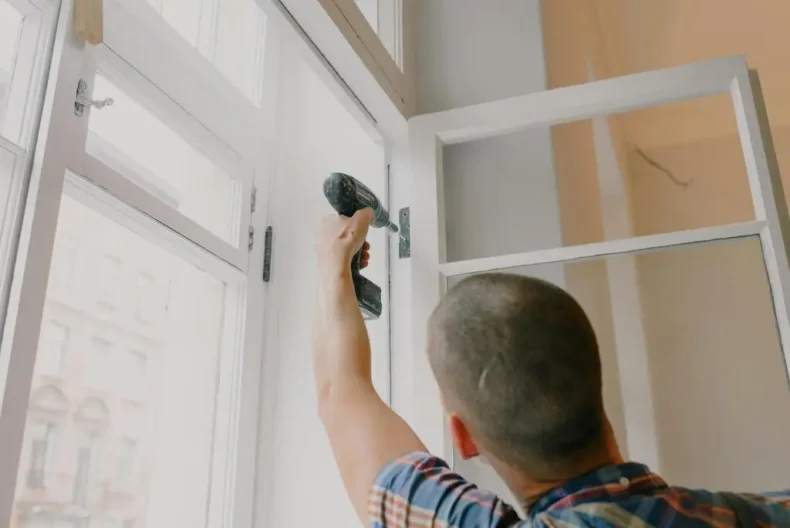
Table of Contents
Monthly Maintenance Must-Dos
Monthly checks act as an early warning system. They help you catch small issues before they escalate into serious repairs.
Start with your heating and cooling system. Replacing or cleaning air filters regularly improves air quality, reduces energy use, and prevents strain on the equipment. This simple task alone can extend the life of your HVAC system.
Safety devices should also be tested each month. Press the test button on smoke detectors and carbon monoxide alarms to ensure they work properly. Fire safety experts recommend testing alarms monthly to ensure they function in an emergency. Replace batteries immediately if needed.
Water issues are another common source of damage. Check under sinks, around toilets, and near appliances for leaks or moisture. Run water in rarely used drains to keep the plumbing seals intact and prevent odors.
Finally, do a quick visual walkthrough inside and outside your home. Look for signs of pests, cracks, peeling paint, unusual stains, or flickering lights. Becoming familiar with your home’s normal condition makes it much easier to notice when something changes.
Seasonal Maintenance Tasks
Each season places different stress on your home, so adjusting your maintenance routine throughout the year is essential.
Spring is the perfect time to inspect winter damage. Check the roof for missing shingles, clean gutters, and examine the foundation for cracks. It’s also smart to service your air conditioning system before hot weather arrives.
Summer focuses on cooling efficiency and exterior upkeep. Keep outdoor HVAC units clear of debris and vegetation. Inspect decks, fences, and exterior paint, and ensure landscaping directs water away from the foundation.
Fall preparation helps your home handle colder temperatures. Seal gaps around windows and doors, clean chimneys if applicable, and drain outdoor water lines to prevent freezing. Schedule heating system maintenance before winter begins.
Winter is mostly about monitoring conditions. Watch for ice buildup, keep walkways safe, and maintain proper indoor humidity to prevent condensation and mold growth.
Adapting your tasks to the seasons greatly reduces the risk of sudden failures and expensive repairs.
Annual Home Maintenance Checklist
Some tasks only need attention once a year but have a major impact on your home’s safety and longevity.
Schedule professional inspections for critical systems such as heating, cooling, plumbing, and electrical panels. Experts can detect hidden issues that homeowners might miss.
Inspect the exterior structure thoroughly. Look for roof wear, damaged siding, foundation cracks, or deteriorated sealant around windows and doors. Addressing these issues early prevents water intrusion and energy loss.
Safety maintenance should also be part of your yearly routine. Clean dryer vents to reduce fire risk, flush the water heater to remove sediment, and replace batteries in backup systems.
Although annual maintenance may take more time, it significantly lowers the chance of major breakdowns and preserves your property’s value.
Expert Tips for Efficient Home Maintenance
Staying organized makes maintenance far easier and more effective.
Prioritize tasks that protect essential systems first — roofing, plumbing, electrical, and HVAC. Cosmetic improvements can wait, but structural and safety issues should never be ignored.
Group related tasks together to save time. For example, when checking the roof, inspect gutters and downspouts at the same time. This approach reduces repeated setup and ensures nothing is overlooked.
Keep a simple maintenance record with dates, notes, and photos. This history helps track recurring issues, supports warranty claims, and provides useful information for future upgrades.
Having a basic toolkit readily available also encourages quick fixes before problems worsen. However, know your limits — complex or dangerous repairs should always be handled by qualified professionals.
DIY vs. Professional Maintenance: Making Smart Choices
Not every task requires expert help, but not every job is safe to handle alone either.
Simple activities like changing filters, sealing small gaps, or cleaning gutters on single-story homes are usually manageable for most homeowners. These tasks can save money and prevent larger issues.
However, electrical work, major plumbing repairs, structural modifications, and roof work carry significant risks. Hiring licensed professionals ensures the job is done safely and meets building standards.
Preventive maintenance typically costs far less than emergency repairs. Waiting until something fails often results in higher expenses and limited options.
Material quality also matters. Investing in durable components may cost more initially but reduces future maintenance needs and improves long-term reliability.
Staying on Top of Maintenance: Practical Strategies
Consistency is the biggest challenge for most homeowners. Creating simple systems makes it much easier to stay on track.
Digital reminders or calendar alerts can prompt you when tasks are due. Many people find success scheduling a monthly “home check” day to inspect multiple areas at once.
Keep essential supplies — filters, light bulbs, sealants — in an accessible location so you can address small issues immediately. Organized storage reduces the effort required to begin a task.
Batching maintenance into dedicated sessions prevents it from feeling overwhelming. Instead of constantly worrying about repairs, you handle them in predictable, manageable intervals.
Recording completed tasks also provides peace of mind and a clear overview of your home’s condition over time.
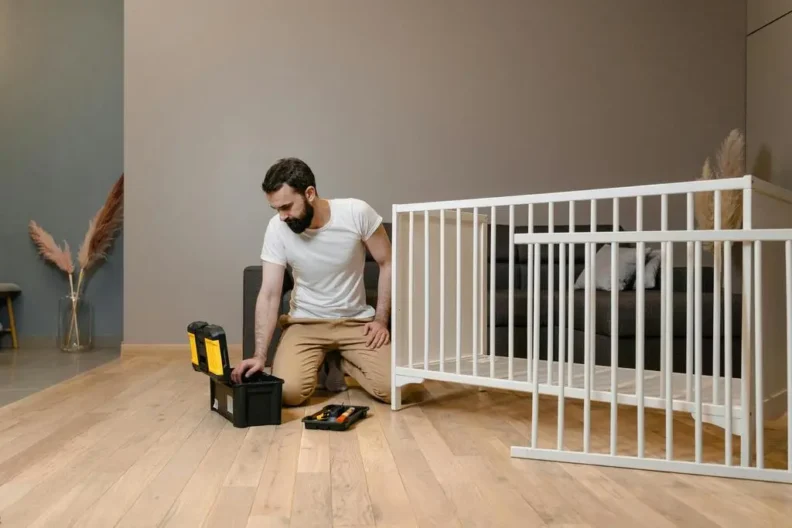
Key Takeaways
Home maintenance is not about fixing problems after they happen — it’s about preventing them in the first place. Regular care protects your investment, reduces stress, and keeps your living space safe and comfortable.
By combining monthly checks, seasonal preparation, and annual inspections, you can avoid most major home issues. Knowing when to handle tasks yourself and when to call professionals ensures work is completed efficiently and safely.
Every small maintenance action today helps prevent larger, more expensive problems tomorrow. With a consistent plan and a proactive mindset, maintaining a healthy home becomes manageable — and even rewarding.