
In today’s fast-paced world filled with constant notifications, it can feel like there’s no room left to relax.
Relaxation doesn’t always come from doing less. Often, it comes from doing things differently.
You don’t need to wake up earlier, cancel plans, or completely change your routine to feel more relaxed. Small, intentional actions—done within your existing schedule—can make a noticeable difference in how you feel throughout the day.
This article explores simple, realistic ways to feel more relaxed and feel calmer without changing your schedule, helping you create moments of calm in the life you already have.

Table of Contents
Why Feeling Relaxed Matters in Daily Life
Relaxation isn’t just about comfort—it supports overall well-being.
When you feel calmer:
- Your body feels less tense
- Your mind feels clearer
- Daily tasks feel more manageable
- Your mood becomes more balanced
Chronic stress, on the other hand, can make even simple activities feel overwhelming. That’s why adding small calming habits into your day is so powerful.
Feeling more at ease doesn’t need to be scheduled. It can be woven into what you’re already doing.
Research highlighted by the World Health Organization shows that chronic stress can impact both mental and physical well-being.
Redefining Relaxation: Small Moments Matter
Many people imagine relaxation as long breaks, quiet retreats, or hours of free time. While those are nice, they aren’t realistic for everyday life.
True calm often comes from:
- Slowing your pace slightly
- Being more present
- Reducing unnecessary mental pressure
These changes don’t require more time—just more awareness.
1. Slow Down Your Physical Pace
One of the easiest ways to reduce stress is to slow down your movements, even when your schedule remains tight. When you rush, your body stays in a state of high cortisol. By walking a little slower or typing with less urgency, you send a signal to your nervous system that you are safe.
2. Breathe More Deeply (Without a Routine)
You don’t need a 20-minute meditation routine to benefit from breathwork. Try taking one deep, conscious exhale before answering an email or starting your car. This “micro-break” resets your heart rate variability instantly.
3. Release Unnecessary Tension in Your Body
Many people carry tension without realizing it—especially in the shoulders, jaw, and hands.
Quick Body Relaxation Check
Several times a day, ask yourself:
- Are my shoulders raised?
- Is my jaw clenched?
- Are my hands tight?
If yes, gently relax those areas. This simple check-in takes seconds but can dramatically improve how relaxed you feel.
4. Stop Multitasking When You Can
Multitasking often feels productive, but it can increase mental stress.
Why Single-Tasking Feels More Relaxing
Focusing on one thing at a time:
- Reduces mental overload
- Improves concentration
- Makes tasks feel easier
You don’t need to eliminate multitasking completely. Just choose one or two moments a day to focus on a single task.
5. Create Small Mental Pauses
Feeling more peaceful isn’t only physical—it’s mental too.
Simple Mental Pause Ideas
- Look out a window for a moment
- Close your eyes for 10 seconds
- Stretch gently in your chair
- Notice one pleasant thing around you
These micro-pauses help your mind reset without disrupting your schedule.
6. Lower the Pressure of “Doing It Right”
A major source of stress comes from the idea that everything must be done perfectly.
A More Relaxed Mindset
- “Good enough” is often enough
- Progress matters more than perfection
- You don’t need to do everything at once
Letting go of unrealistic expectations can instantly reduce mental tension.
7. Make Transitions More Gentle
Transitions—between tasks, places, or activities—can be stressful when rushed.
How to Improve Transitions
- Pause briefly before switching tasks
- Take one breath before starting something new
- Mentally close one task before beginning another
This creates a sense of flow instead of pressure.
Simple Sensory Comforts That Support Relaxation
- Soft background music
- Natural light
- Comfortable clothing
- Pleasant scents
You don’t need to change your environment completely—just enhance what’s already there.
8. Change How You Talk to Yourself
Your inner dialogue plays a big role in how relaxed you feel.
Supportive Self-Talk Examples
- “I’m doing my best.”
- “I can take this one step at a time.”
- “It’s okay to slow down.”
Gentle thoughts create a calmer emotional state.
9. Accept That Some Days Are Heavier Than Others
Trying to feel relaxed and calmer all the time can actually increase stress.
A More Realistic Approach
- Some days are naturally busy
- Feeling tired doesn’t mean you’re failing
- Calm comes in waves, not constantly
Acceptance often brings more peace than resistance.
10. Reduce Noise Where Possible
Constant noise can keep your nervous system on high alert.
Easy Noise Adjustments
- Lower background volume
- Choose quiet moments when possible
- Take brief breaks from constant input
Even small reductions in noise can improve your sense of calm.
11. Make Everyday Activities More Enjoyable
Relaxing your mind doesn’t require new activities—it can come from changing how you experience existing ones.
Examples
- Enjoy the warmth of a shower
- Focus on taste while eating
- Notice the rhythm of walking
Presence turns routine moments into calming ones.
12. Let Go of the Need to Be Busy All the Time
Being busy doesn’t always mean being productive or fulfilled.
A Healthier Perspective
- Rest doesn’t have to be earned
- Slowing down improves focus
- Calm supports efficiency
Giving yourself permission to slow down—even briefly—can be deeply relaxing.
13. End Tasks with Closure
Unfinished mental loops create stress.
Simple Closure Habit
When finishing a task, pause and acknowledge it:
- “That’s done.”
- “I completed this.”
This signals your brain to let go and move on.
14. Create One Daily Anchor of Calm
An anchor is a small, repeated moment that reminds you to slow down.
Examples of Calm Anchors
- Morning coffee or tea
- A short stretch
- A quiet moment before sleep
It doesn’t need to be long—just consistent.
Why These Small Changes Work
These strategies are effective because they:
- Reduce constant mental pressure
- Support the nervous system
- Encourage presence over rush
- Fit naturally into daily life
You’re not adding more tasks—you’re changing how you experience the ones you already do.
Relaxation Is a Skill, Not a Schedule
Feeling more relaxed isn’t about having a perfect routine. It’s about developing awareness and kindness toward yourself.
The more you practice small calming habits, the more natural they become. Over time, relaxation stops feeling like something you have to chase—and starts feeling like something you carry with you.
Conclusion
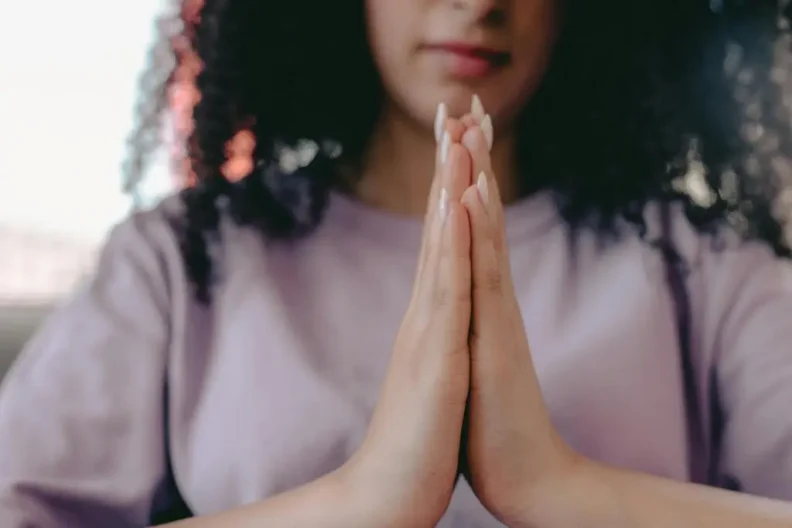
You don’t need to change your schedule to relax your mind. By slowing down slightly, breathing more intentionally, easing mental pressure, and creating small moments of calm, you can experience more peace in your everyday life.
Relaxation isn’t about escaping your routine—it’s about softening how you move through it.
Small changes, practiced consistently, can transform even the busiest days into more balanced and comfortable ones.
This article is for informational purposes only and does not replace professional advice.




Pingback: Amazing Joyful Self-Care Travel Guide For A Stress-Free Trip