Creative Balcony Garden Ideas for Small Spaces

Creative Balcony Garden Ideas

Creative Balcony Gardens

Transforming a cramped balcony into a thriving green oasis isn’t just possible—it’s one of the most rewarding ways to bring nature into urban living. Even the smallest outdoor spaces can become productive, beautiful gardens when you apply smart design principles and creative solutions.

According to the Royal Horticultural Society, balcony gardening has surged in popularity as more people discover how to maximize limited square footage. The key lies in thinking vertically, choosing the right plants, and using every inch strategically.

A well-planned balcony garden offers multiple benefits beyond aesthetics. You can grow fresh herbs and vegetables, create privacy screens, improve air quality, and establish a peaceful retreat from city noise. Whether you’re working with a narrow fire escape or a spacious terrace, the principles remain the same: maximize space efficiency while maintaining visual appeal.

The most successful small-space gardens combine practical growing techniques with creative design elements. From vertical growing systems to multi-functional furniture pieces that double as planters, modern balcony gardening has evolved far beyond simple potted plants.

Ready to discover exactly what your balcony space can become? Let’s start by evaluating your unique conditions and potential.


Understanding Your Balcony’s Potential

Before diving into plant selections and design schemes, assessing your balcony’s unique characteristics sets the foundation for gardening success. Every balcony has distinct advantages and constraints that shape what’s possible in these small spaces.

Start by observing sunlight patterns throughout the day. Track how many hours of direct sunlight your balcony receives, noting which areas get morning versus afternoon exposure. This information determines whether you’ll grow sun-loving tomatoes or shade-tolerant ferns.

Next, evaluate structural limitations. Check weight restrictions with your building management, as soil and water add significant load. Most balconies handle container gardens well, but understanding load limits prevents costly damage and ensures safety.

Wind exposure presents another crucial factor. High-rise balconies often face strong wind patterns that can desiccate plants and topple containers. However, strategic windbreaks using trellises or taller plants create microclimates for more delicate species.

Climate control also varies dramatically between balconies. Corner units may experience temperature swings, while protected alcoves maintain steadier conditions. Understanding these nuances helps you select appropriate plants and positioning strategies.

With these fundamentals mapped out, you’re ready to explore creative solutions that maximize every square inch of your outdoor sanctuary.

Vertical and Hanging Solutions for Small Spaces

When horizontal space is at a premium, thinking vertically transforms your balcony’s entire capacity. Vertical gardening techniques can increase your growing area by up to 300% while creating stunning living walls that serve as natural privacy screens and air purifiers.

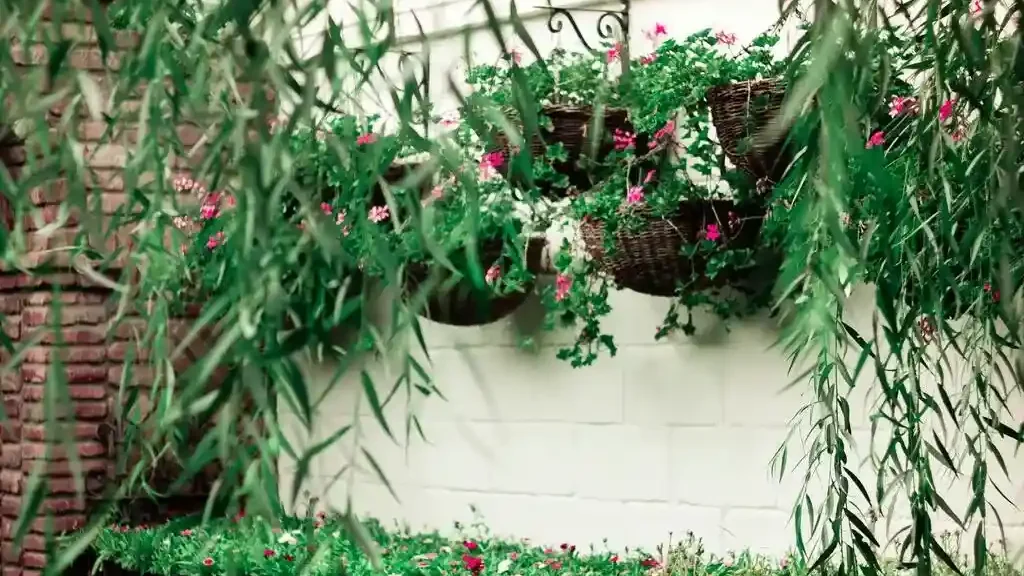
Wall-mounted planters offer the most efficient use of vertical real estate. Install tiered shelving systems or modular pocket planters that cascade down walls, creating layers of greenery without sacrificing floor space. Hanging baskets suspended at varying heights add dimensional interest while maximizing every cubic inch of available air space.

Trellises and climbing structures serve dual purposes in balcony garden ideas, providing support for vining plants while defining spaces. Install lightweight mesh panels or tension wire systems where climbing varieties like jasmine, clematis, and or edible peas can flourish vertically rather than sprawling outward. For renters, tension-rod systems between floor and ceiling create temporary vertical gardens without permanent installation. These adjustable frameworks accommodate everything from herb spirals to succulent walls, making vertical gardening accessible regardless of lease restrictions.

The key advantage extends beyond space-saving: vertical arrangements create natural micro climates where plants can thrive at different heights, optimizing your balcony’s environmental conditions while setting the stage for strategic furniture placement.

To make vertical gardening easier, modular wall planters and lightweight trellis systems can maximize your space without overloading your balcony structure.

👉 Explore affordable vertical planters here

Creative Space-Saving Furniture Ideas

When every square foot counts, smart furniture choices can double or triple your balcony’s functionality. Multi-purpose pieces serve as both seating and storage while creating more room for your vertical garden and plant displays.

Foldable and stackable furniture offers the ultimate flexibility for small balconies. Wall-mounted drop-down tables provide workspace when needed but disappear completely when not in use, freeing up floor space for containers, and planters. Similarly, stackable stools can serve as plant stands during the day and additional seating when entertaining guests. Storage benches and ottomans maximize utility by hiding gardening supplies, tools, and seasonal items while providing comfortable seating. According to design experts specializing in small spaces, choosing furniture with built-in storage can reduce clutter by up to 40% in compact outdoor areas.

Modular furniture systems adapt to your changing needs throughout the seasons. Sectional pieces can be rearranged to accommodate larger gatherings or reconfigured to create dedicated zones for different activities. Rail-mounted accessories like fold-out shelves and hanging organizers utilize often-overlooked vertical surfaces without permanent installation.

The key to successful balcony furniture selection lies in choosing pieces that serve multiple functions while maintaining a cohesive aesthetic that complements your garden design.

Foldable balcony tables and railing-mounted shelves are game-changers for small outdoor areas.

👉 See space-saving balcony accessories here.

Choosing the Right Plants for Balcony Gardens

Plant selection determines the success of your space-saving garden, making it crucial to match varieties with your specific conditions. Wind exposure, sunlight hours, and container size constraints all influence which plants will thrive in your elevated environment.

Compact vegetables deliver maximum productivity in minimal space. Cherry tomatoes, lettuce, and herbs like basil and parsley provide continuous harvests throughout the growing season. Maximizing Small Spaces: Gardening Tips for Balconies recommends choosing determinate tomato varieties that stay manageable in containers, unlike indeterminate types that can overwhelm small spaces.

Trailing plants create visual impact without consuming floor space. Nasturtiums, trailing petunias, and sweet potato vines cascade beautifully from hanging baskets or railings, adding vertical interest while preserving precious square footage for other plants.

Consider your balcony’s micro climate when selecting varieties. South-facing balconies suit heat-loving plants like succulents, Mediterranean herbs, while north-facing spaces favor shade-tolerant options like hostas, and begonias. Wind-resistant plants with sturdy stems prevent damage from gusts that often affect elevated locations. Native plants require less maintenance and adapt better to local conditions, making them ideal choices for busy balcony gardeners seeking low-maintenance solutions.

As your plant collection takes shape, thoughtful lighting design will extend your garden’s beauty into evening hours.

Self-watering pots are especially useful for balcony gardens, reducing daily maintenance and protecting plants from drying out in windy conditions.

👉 Shop self-watering plant pots here.

Incorporating Lighting to Enhance Your Balcony Garden

Strategic lighting transforms your balcony garden from a daylight-only space into an evening sanctuary that extends your outdoor enjoyment well past sunset. The right lighting approach not only creates ambiance but also supports plant health and maximizes the visual impact of your carefully chosen flora.

Solar-powered string lights offer the most practical solution for renters, requiring no electrical modifications while providing consistent illumination. Position these lights around balcony planters to create depth and highlight your plant arrangements. LED strip lights tucked under railing edges create subtle up lighting that makes foliage appear to glow from within.

For functional lighting, consider spotlights directed at key focal points like a statement plant or water feature. Small space gardening experts recommend layering different light temperatures—warm whites for relaxation areas and cool whites for task lighting when tending to plants.

Lanterns and candles add romantic appeal while serving practical purposes. Battery-operated versions eliminate fire hazards in close quarters, while real candles provide natural pest deterrence through citronella or lavender scents.

Smart lighting systems allow you to schedule illumination cycles that complement your plants’ natural rhythms. This thoughtful integration of technology and nature creates a foundation for personalizing your space with handcrafted elements.

Solar-powered string lights and waterproof LED strips can instantly transform your balcony into a cozy nighttime retreat.

👉 Discover budget-friendly solar lights here.

-Do it Yourself- Planters and Personalized Decor

Crafting your own planters transforms budget-friendly materials into unique garden features that perfectly fit your balcony’s dimensions and style. Common household items like wooden crates, metal buckets, plastic bottles can be repurposed into functional containers with proper drainage holes, and weather-resistant finishes. Railing planters offer exceptional space efficiency by utilizing the perimeter of your balcony without consuming floor space. These can be crafted from PVC gutters, wooden boxes, or even repurposed shoe organizers for herb gardens. The key lies in securing them properly to withstand wind while ensuring adequate drainage to prevent water damage to lower levels.

Personalization extends beyond containers to decorative elements that reflect your style. Hand-painted plant markers, mosaic stepping stones, and custom trellises created from bamboo or reclaimed wood add character while serving practical functions. Fabric plant covers and colorful pot sleeves provide seasonal flexibility, allowing you to refresh your garden’s appearance throughout the year.

Creative storage solutions double as decor—ladder plant stands, hanging basket systems, and tiered shelving units maximize vertical growing space while creating visual interest. These -do it yourself- approaches not only reduce costs but ensure every element serves your specific needs, though careful planning becomes essential to address structural limitations and maintenance requirements.

If DIY isn’t your style, ready-made railing planters and hanging systems offer a fast and stylish alternative.

👉 Browse balcony railing planters here

Limitations and Considerations

Even the most thoughtfully designed balcony gardens face inherent constraints that require realistic planning and ongoing adaptation. Weight restrictions represent the most critical limitation, as balconies typically support 40-80 pounds per square foot depending on construction. Large tiered planters filled with soil and water can quickly exceed these limits, potentially creating safety hazards that require consultation with building management or structural engineers.

Weather exposure creates another significant challenge, particularly for high-rise balconies where wind speeds can be 20-30% stronger than ground level. Plants may suffer from wind burn, dehydration, and physical damage, while lightweight containers risk toppling over during storms. Additionally, extreme temperature fluctuations in exposed spaces can stress plants beyond their tolerance levels.

Drainage issues frequently plague balcony gardens, as excess water must flow somewhere without damaging lower units or building structures. Waterproofing and proper drainage systems become essential investments that add complexity and cost to garden projects.

Maintenance accessibility also poses ongoing challenges. Regular watering, pruning, and pest control require consistent effort, while vacation care arrangements become more complex with container gardens that dry out quickly. Understanding these limitations upfront helps gardeners make informed decisions and develop realistic expectations for their balcony garden success.

Key Takeaways

Successful balcony gardening hinges on maximizing every square inch through strategic vertical growing, container selection, and plant choices tailored to your specific conditions. The most productive small-space gardens combine practical elements like a compact herb garden with aesthetic features such as climbing vines and layered plantings that create visual depth without overwhelming the space.

Weight restrictions and structural limitations require careful planning, but creative solutions like lightweight containers, wall-mounted systems, and multipurpose furniture can transform even the smallest balcony into a thriving garden oasis. Regular maintenance becomes particularly crucial in container environments where plants depend entirely on your care for water, nutrients, and seasonal protection. The key to long-term success lies in starting small, choosing appropriate plants for your light conditions, and gradually expanding your garden as you gain experience. Whether you’re growing fresh herbs for cooking, creating a privacy screen with tall plants, or simply adding greenery to improve your outdoor living space, balcony gardening offers endless possibilities for personalizing your urban sanctuary while staying within practical constraints.

Your balcony garden journey begins with understanding your space’s unique characteristics and selecting the right combination of plants and containers to create your ideal small-space paradise.

Where to Look Next

Your balcony garden journey doesn’t end with implementation—continuous learning and inspiration will help your small-space oasis evolve and thrive. As you gain experience with your specific conditions and plant preferences, exploring advanced techniques and connecting with gardening communities becomes invaluable for long-term success.

Professional design resources offer structured approaches to maximizing your space’s potential. The RHS Chelsea Flower Show insights provide cutting-edge techniques from leading designers, while comprehensive guides like Nature Hills’ apartment dweller’s guide offer season-by-season planning strategies that grow with your expertise.

Local gardening communities and extension services provide region-specific advice that online resources can’t match. Climate zones, seasonal patterns, and plant availability vary dramatically by location—connecting with nearby gardeners helps you avoid costly mistakes and discover varieties that thrive in your exact conditions.

Start small, observe what works in your unique space, and gradually expand your creative balcony garden ideas for small spaces as you build confidence and expertise. Your balcony’s transformation from overlooked space to productive garden paradise begins with that first planted container.


Disclosure: This article contains affiliate links. We may earn a small commission at no extra cost to you.

Leave a Comment

Your email address will not be published. Required fields are marked *

Scroll to Top