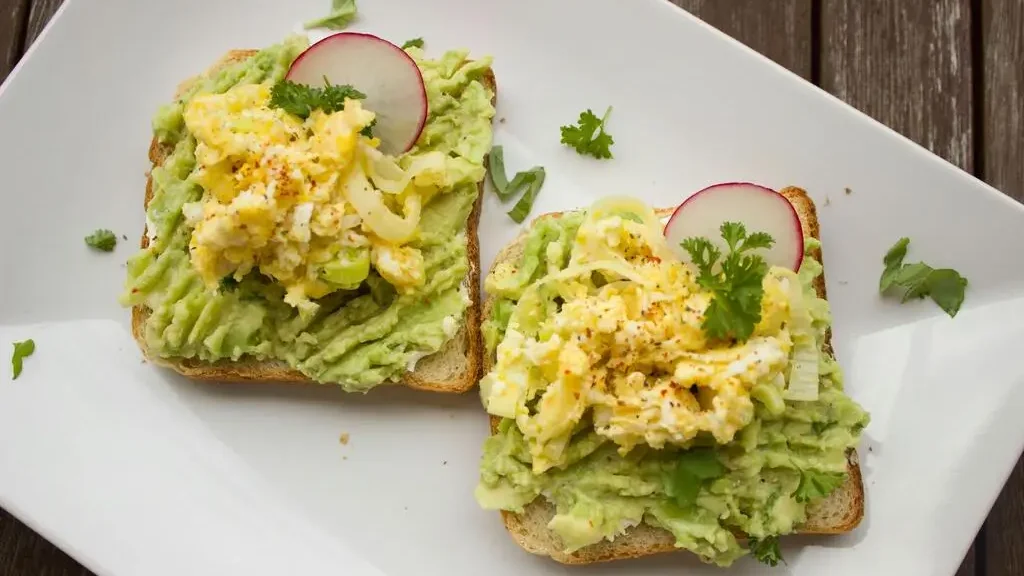
Healthy Quick Self-Care Breakfast Recipes for Busy Mornings

Healthy Quick Self-Care Breakfast Recipes

The Importance of Quick Self-Care Breakfasts

Your morning rush doesn’t have to mean sacrificing the most important meal of the day. Quick breakfast recipes can transform chaotic mornings into moments of self-care, providing both physical nourishment and mental clarity to tackle whatever lies ahead.

The science behind breakfast’s impact is compelling. Research shows that eating breakfast significantly improves cognitive function, including enhanced memory, attention span, and problem-solving abilities throughout the morning hours. When you’re already pressed for time, these cognitive benefits become even more crucial for maintaining productivity and focus. Beyond brain power, a well-planned morning meal serves as your metabolic foundation. Studies indicate that consistent breakfast consumption supports healthy weight management and helps regulate blood sugar levels, preventing the mid-morning energy crashes that derail busy schedules.

Self-care isn’t selfish—it’s strategic. Taking just five to ten minutes for a nourishing breakfast creates a ripple effect of better decisions throughout your day. Whether you’re juggling work deadlines, family responsibilities, or personal goals, starting with intentional nutrition sets a tone of prioritizing your well-being.

Ready to discover breakfast solutions that work with your schedule, not against it? Let’s explore the quick options that can revolutionize your mornings.


Overview of Quick Breakfast Recipes Options

The landscape of easy breakfast ideas has evolved dramatically to meet the demands of modern lifestyles. Today’s quick breakfast options span three distinct categories, each designed to address different time constraints and preparation preferences.

Grab-and-go options require zero morning preparation—think overnight oats, pre-portioned smoothie ingredients, or energy balls made during weekend meal prep. These solutions work perfectly for those five-minute morning windows when every second counts.

Five-minute preparations bridge the gap between convenience and fresh preparation. Simple combinations like Greek yogurt with nuts, fruit, and or whole grain toast with avocado provide sustained energy without extensive cooking. Consumer Reports research identifies protein-rich foods as particularly effective for maintaining steady energy levels throughout the morning. Weekend batch-cooking represents the strategic approach—preparing breakfast components in larger quantities that can be quickly assembled or reheated during busy weekdays. Baked egg muffins, homemade granola, or pre-cut fruit portions exemplify this time-shifting strategy.

The key is identifying which approach aligns with your specific morning routine and energy requirements, setting the stage for even more streamlined no-cook solutions.

➜Helpful Breakfast Tools

No-Cook & Make-Ahead Breakfast Ideas

The beauty of no-cook breakfast solutions lies in their ability to deliver healthy breakfast recipes busy mornings demand without requiring any kitchen time when you’re rushing out the door. These strategies fall into two powerful categories: completely assembled meals that require zero preparation time, and make-ahead options that transform Sunday meal prep into weekday breakfast success.

Overnight oats represent the gold standard of make-ahead breakfast convenience. Simply combine rolled oats with your choice of milk, yogurt, and mix-ins like berries, nuts, and or nut butter in a mason jar. After refrigerating overnight, you’ll wake up to a perfectly textured, nutritionally complete meal that supports sustained energy throughout the morning. Chia puddings offer similar convenience with an impressive nutritional profile. Mix chia seeds with liquid and sweetener, then let the seeds create their own creamy texture overnight. Greek yogurt parfaits, pre-assembled with layers of fruit and granola, provide another reliable option that delivers protein and probiotics.

The key to make-ahead success lies in batch preparation on weekends, creating four to five breakfast options that remain fresh throughout the week. This approach eliminates decision fatigue while ensuring you never skip the most important meal of the day, even when single-serve and portable options become necessary.

Single-Serve and Portable Breakfasts

The rise of single-serve breakfast solutions reflects our increasingly mobile lifestyles, where eating on-the-go has become the norm rather than the exception. These individually portioned options eliminate the guesswork of serving sizes while providing the convenience busy professionals desperately need.

Mason jar parfaits represent the gold standard of portable breakfast options. Layer Greek yogurt, fresh berries, and granola in individual jars for grab-and-go convenience that maintains structural integrity during transport. Similarly, breakfast muffins baked in silicone cups offer endless customization possibilities – from banana oat to veggie-packed varieties – while fitting perfectly in car cup holders.

Energy balls and breakfast bars provide the ultimate in portability, requiring no utensils or refrigeration. These make-ahead breakfasts can be prepared in bulk every Sunday, offering weeks’ worth of nutrition-packed options. A common pattern is preparing 12-15 portions at once, storing them in airtight containers for sustained convenience throughout busy workweeks.

The key advantage of single-serve formats lies in portion control – each serving delivers consistent nutrition without the temptation to overeat or the waste associated with larger batches. However, balancing convenience with nutritional quality becomes increasingly important when choosing between commercially packaged options and homemade alternatives.

Comparison: Convenience vs. Nutrition

When evaluating breakfast options, the tension between convenience and nutrition becomes particularly apparent during busy mornings. The most convenient options aren’t always the most nutritious, while the healthiest choices often require more preparation time.

Fast-food breakfast sandwiches and instant cereals score highest on convenience but typically contain excessive sodium, refined sugars, and processed ingredients. In contrast, a high protein breakfast featuring Greek yogurt with nuts and berries requires minimal prep while delivering sustained energy and essential nutrients. The sweet spot lies in strategic preparation. Overnight oats with protein powder bridge this gap perfectly—they’re prepared in minutes the night before but provide balanced macronutrients comparable to a sit-down breakfast. Similarly, hard-boiled eggs prepared weekly offer grab-and-go protein without the processing concerns of breakfast bars.

More Evidence in Support of a Healthy Breakfast shows that nutrient-dense morning meals support cardiovascular health, making the slight inconvenience worthwhile. However, an imperfect breakfast eaten consistently outperforms the perfect breakfast skipped due to time constraints.

The key is identifying your personal convenience threshold and building nutrition within those parameters, rather than abandoning breakfast altogether when pressed for time.

What the Research Shows on Breakfast and Performance

Scientific evidence consistently demonstrates that breakfast consumption significantly impacts both cognitive function and physical performance throughout the day. Research published in the PMC database shows that eating breakfast improves memory, attention span, and problem-solving abilities compared to skipping the morning meal entirely.

The quality of breakfast matters more than convenience alone. Studies indicate that protein-rich morning meals sustain energy levels for 3-4 hours longer than simple carbohydrate-based options. This finding challenges the common assumption that any grab and go breakfast will suffice for busy professionals.

Performance benefits extend beyond mental clarity. Evidence from weight management research reveals that consistent breakfast eaters maintain more stable blood sugar levels and experience fewer afternoon energy crashes. However, the research also highlights a critical limitation: most studies focus on traditional breakfast formats rather than modern quick-prep alternatives.

The data suggests that even a simple breakfast provides measurable benefits over fasting, but nutrient density amplifies these effects. This creates an interesting paradox for busy individuals who often face misconceptions about what constitutes an effective morning meal.

Common Misconceptions About Quick Breakfasts

Despite the growing body of research supporting breakfast’s importance, several persistent myths continue to shape how people approach morning nutrition. These misconceptions often prevent busy individuals from developing sustainable breakfast habits that actually work with their schedules.

The “all or nothing” fallacy represents perhaps the most damaging myth. Many believe that if they can’t prepare an elaborate, Instagram-worthy breakfast, they shouldn’t bother eating anything at all. This black-and-white thinking ignores the reality that even simple combinations—like Greek yogurt with berries or whole grain toast with nut butter—deliver significant nutritional benefits without requiring extensive preparation time.

Another common misconception suggests that meal prep breakfast strategies are too time-consuming for practical use. In reality, dedicating just 15-20 minutes on Sunday evening to prepare overnight oats, hard-boil eggs, or portion out smoothie ingredients can streamline five mornings of the upcoming week. The initial time investment pays dividends in reduced daily stress and improved nutrition consistency.

Perhaps most surprisingly, many people assume that quick breakfasts can’t be genuinely satisfying or nutritionally complete. This belief stems from equating speed with processed foods, when numerous whole-food options require minimal preparation while delivering sustained energy and essential nutrients throughout the morning hours.

Understanding these misconceptions opens the door to more realistic and sustainable breakfast approaches that work within busy lifestyles.

Limitations and Considerations

While quick breakfast solutions offer practical benefits for busy schedules, they’re not without their drawbacks. Pre-made options like energy bites and overnight oats can lose nutritional value over time, particularly water-soluble vitamins that degrade during storage. Additionally, the convenience factor often leads people to rely too heavily on processed ingredients or high-sugar combinations. Portion control presents another challenge with grab-and-go breakfast items. Without the mindful eating that comes with preparing fresh meals, it’s easy to overconsume calories or miss important satiety cues. Some quick breakfast staples also lack adequate protein or fiber, leading to mid-morning energy crashes.

Time-saving breakfast strategies may not work for everyone—particularly those with specific dietary restrictions, food allergies, or medical conditions requiring carefully controlled nutrition. What constitutes a “quick” breakfast varies significantly based on individual cooking skills, kitchen equipment, and household dynamics.

However, these limitations don’t negate the value of strategic breakfast planning. The key lies in finding the right balance between convenience and nutrition while remaining realistic about your daily constraints and long-term health goals.

Key Quick Breakfast Recipes Takeaways

Creating a sustainable morning routine doesn’t require sacrificing nutrition for convenience. Quick self-care breakfast recipes can deliver both the nutrients your body needs and the time efficiency your schedule demands. The key lies in strategic preparation and understanding which ingredients provide the most nutritional impact.

Research consistently demonstrates that breakfast consumption supports cognitive function and weight management, making morning nutrition a worthwhile investment in your daily performance. However, the quality of your breakfast matters more than its complexity. Simple combinations of protein, healthy fats, and complex carbohydrates can be just as effective as elaborate meals.

The most successful approach involves batch preparation techniques that transform weekend meal prep into weekday convenience. Whether through overnight oats, pre-portioned smoothie ingredients, or make-ahead egg cups, investing small amounts of time upfront pays dividends throughout the week.

Remember that flexibility remains crucial – having multiple quick options prevents the all-or-nothing mentality that often derails healthy eating habits. Start with one or two recipes that appeal to your taste preferences, then gradually expand your repertoire as these become routine.

The evidence supporting breakfast’s role in overall health continues to strengthen, making these practical strategies valuable tools for long-term wellness.

Sources and References

The evidence supporting the importance of nutritious breakfast choices continues to grow across multiple research domains. The effects of breakfast on short-term cognitive function among adults demonstrates how morning nutrition directly impacts mental performance, while Effects of Breakfast on Weight Management – Review of Evidence provides comprehensive analysis of metabolic benefits.

Practical guidance for energy-boosting ingredients can be found in Consumer Reports’ breakfast foods for energy recommendations, which offers evidence-based food selection strategies. Additionally, More Evidence in Support of a Healthy Breakfast highlights cardiovascular benefits that extend beyond immediate energy needs.

These research foundations validate what many busy professionals experience daily: well-planned breakfast choices create measurable improvements in both physical energy and cognitive performance. By combining scientific evidence with practical meal preparation strategies, anyone can develop sustainable morning routines that support their health goals without compromising their schedule demands.

Start your journey toward better mornings by choosing one recipe from this collection and preparing it tonight for tomorrow’s breakfast success.


This article may contain affiliate links. If you purchase through these links, we may earn a small commission at no extra cost to you.

Leave a Comment

Your email address will not be published. Required fields are marked *

Scroll to Top