
In recent years, natural skincare has gained massive popularity—and for good reason. As people become more mindful of what they apply to their skin, Natural oils have emerged as powerful, simple, and effective skincare solutions. According to the American Academy of Dermatology, moisturizing ingredients play an important role in supporting the skin barrier and maintaining healthy skin.
Oils offer hydration, nourishment, and protection without unnecessary additives. Whether you have dry, oily, sensitive, or combination skin, there is a natural oil that can support your skin’s health when used correctly.
In this article, we’ll explore the benefits of using oils in skincare, how they work, and how to choose the right ones for your daily routine.
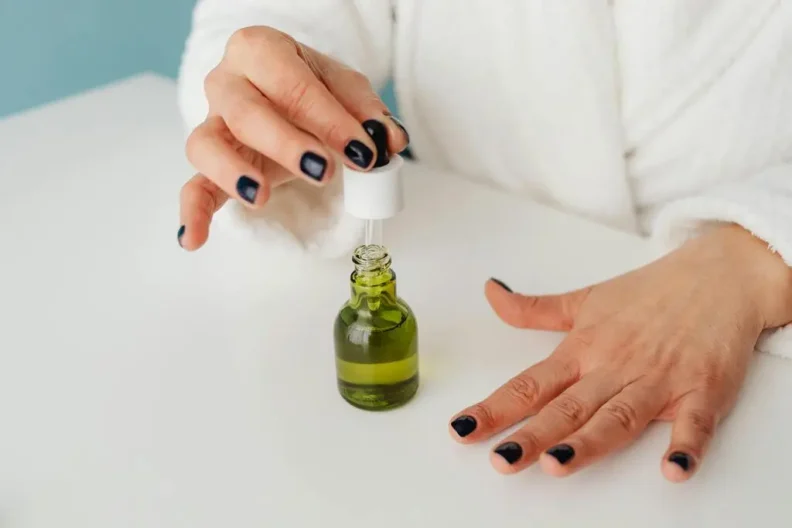
Table of Contents
What Are Natural Oils in Skincare?
Natural oils are extracted from plants, seeds, nuts, or fruits through methods like cold pressing. Unlike synthetic ingredients, these oils retain beneficial compounds such as:
- Essential fatty acids
- Vitamins
- Antioxidants
- Natural emollients
Because of their natural composition, they work in harmony with the skin’s protective barrier rather than disrupting it.
Why Natural Oils Are Good for Your Skin?
Your skin naturally produces oils to protect itself and retain moisture. Natural skincare oils help support this process, especially when the skin barrier is weakened by weather, harsh products, or daily stress.
Many dermatologists agree that natural oils can support skin health when chosen according to individual skin type. However, oils should complement—not replace—a balanced skincare routine that includes gentle cleansing and sun protection. People with chronic skin conditions should consult a professional before introducing new products.
Key Reasons Natural Oils Work Well
- They mimic the skin’s natural lipids
- They help lock in moisture
- They improve skin comfort and flexibility
- They support long-term skin balance
When chosen correctly, they don’t clog pores or feel heavy—they enhance the skin’s natural function.
1. Deep and Long-Lasting Hydration
One of the biggest benefits of using natural oils is effective hydration.
How Natural Oils Hydrate the Skin?
Plant-based oils act as occlusives, meaning they seal moisture into the skin. This is especially helpful for people with dry or dehydrated skin.
Unlike some creams that evaporate quickly, oils:
- Slow water loss from the skin
- Keep skin soft for longer
- Improve overall texture
Oils like jojoba oil and sweet almond oil are especially known for their lightweight hydration.
2. Strengthening the Skin Barrier
A healthy skin barrier is essential for maintaining smooth, comfortable skin. Research from the National Institutes of Health highlights the role of lipids in maintaining the skin barrier and preventing moisture loss.
Why the Skin Barrier Matters
The skin barrier:
- Protects against environmental stress
- Prevents moisture loss
- Helps maintain balanced skin
Pure oils are rich in fatty acids that help repair and strengthen this barrier, making skin more resilient over time.
3. Suitable for All Skin Types (Including Oily Skin)
A common myth is that oils are bad for oily or acne-prone skin. In reality, the right oils can help balance oil production.
How Oils Help Oily Skin?
When skin is stripped of moisture, it may produce even more oil to compensate. Natural oils can:
- Signal the skin to reduce excess oil
- Restore balance
- Improve skin comfort
Light oils like grapeseed oil and jojoba oil are ideal for oily or combination skin.
What About Acne-Prone Skin?
Acne-prone skin can benefit from certain lightweight oils, but not all oils are suitable. Non-comedogenic oils such as jojoba or rosehip oil are generally better choices, while heavier oils may clog pores for some individuals. Introduce new oils gradually and monitor how your skin responds.
4. Rich in Skin-Loving Nutrients
Natural oils are packed with nutrients that support healthy-looking skin.
Common Nutrients Found in Natural Oils
- Vitamin E (antioxidant support)
- Vitamin A (skin renewal support)
- Omega fatty acids (barrier care)
These nutrients help maintain smooth, nourished skin without harsh treatments.
5. Gentle on Sensitive Skin
Many people with sensitive skin struggle to find products that don’t cause discomfort.
Why Natural Oils Are Often Better Tolerated
- Minimal ingredient lists
- No synthetic fragrances
- Fewer irritants
Oils such as calendula oil or argan oil are known for their soothing properties and are often used in gentle skincare routines.
6. Supporting a Natural Glow
Healthy skin naturally reflects light better, giving it a fresh and radiant appearance.
How Oils Enhance Glow
Plant oils:
- Smooth the skin’s surface
- Improve softness
- Reduce dullness caused by dryness
When applied in small amounts, they give skin a natural, healthy-looking glow—never greasy.
7. Helping Lock In Other Skincare Products
Plant-based oils work beautifully as the final step in a skincare routine.
Oils as a Sealing Step
Applied after moisturizer, oils:
- Lock in hydration
- Improve absorption of previous products
- Protect skin throughout the day or night
This makes them ideal for use in both morning and evening routines.
8. Versatile and Multi-Purpose
One of the biggest advantages of natural oils is their versatility.
How You Can Use Natural Oils
- Face moisturizer
- Body oil
- Hair care
- Cuticle care
- Makeup remover
This simplicity reduces clutter and supports a minimalist beauty routine.
Comedogenic vs. Non-Comedogenic Oils
Oils differ in their tendency to clog pores, a property known as comedogenicity. Non-comedogenic oils are less likely to block pores and are generally better for oily or acne-prone skin, while richer oils may be more suitable for very dry skin. Choosing the right type helps prevent breakouts while still providing nourishment.
Popular Natural Oils and Their Benefits
Jojoba Oil
- Closely resembles skin’s natural oils
- Lightweight and fast-absorbing
- Suitable for all skin types
Argan Oil
- Nourishing and softening
- Supports skin elasticity
- Ideal for dry or mature skin
Rosehip Oil
- Rich in antioxidants
- Helps improve skin texture
- Lightweight and non-greasy
Sweet Almond Oil
- Softens and smooths
- Great for body care
- Gentle and nourishing
How to Use Natural Oils Correctly
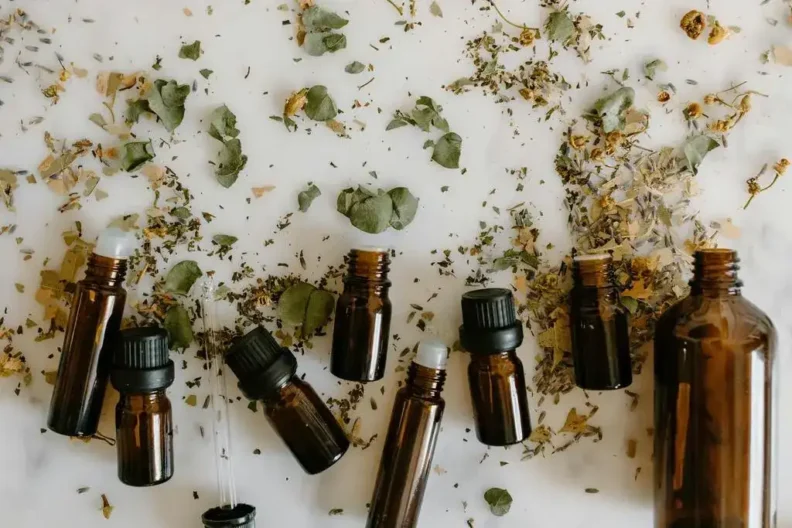
Using plant-based oils properly is key to seeing benefits.
Best Practices
- Apply to slightly damp skin
- Use only a few drops
- Warm oil between hands before applying
- Patch test before first use
Less is more—natural oils are concentrated and effective in small amounts.
Even natural ingredients can cause irritation or allergic reactions. Apply a small amount of oil to a discreet area (such as the inner arm) and wait 24 hours to ensure no redness, itching, or discomfort occurs before using it on the face.
Common Mistakes to Avoid
Even natural skincare needs balance.
Avoid These Mistakes
- Using too much oil
- Applying oils on dirty skin
- Mixing too many oils at once
- Expecting instant results
Consistency is more important than quantity.
Are Natural Oils Safe for Daily Use?
Yes—when chosen correctly and used properly, plant-based oils are safe for daily skincare routines.
Tips for Daily Use
- Choose cold-pressed oils
- Store away from heat and sunlight
- Keep routines simple
Quality plays an equally important role as the oil itself.
Natural Oils and Sustainable Beauty
Using these oils also supports a more eco-conscious lifestyle.
Sustainability Benefits
- Fewer ingredients
- Less packaging waste
- Long-lasting products
This makes natural oils a smart choice for both your skin and the environment.
Conclusion
The benefits of using plant-based oils in skincare go far beyond hydration. They support the skin barrier, improve comfort, nourish deeply, and fit effortlessly into simple, effective beauty routines.
By choosing the right oil for your skin type and using it consistently, you can enjoy healthier, more balanced skin without complicated steps or harsh ingredients.
Natural oils remind us that skincare doesn’t have to be complex—sometimes, the most effective solutions are also the simplest.
With the right choice and consistent use, natural oils can become one of the most effective and affordable steps in your skincare routine.
The author is not a medical professional. This content is based on general skincare knowledge and publicly available information. It is not intended to replace professional medical advice. Always consult a qualified healthcare provider for personalized guidance.