
Taking care of your skin doesn’t have to be complicated. In fact, the most effective routines are often the simplest ones. Natural ingredients offer a gentle, affordable way to nourish your skin while respecting its natural balance. By focusing on a few essential steps, you can build a routine that supports healthy, radiant skin over time.
The foundation of any successful natural routine lies in understanding your skin’s unique needs and selecting ingredients that work synergistically. Rather than following complicated multi-step regimens, effective natural beauty focuses on consistency, quality ingredients, and patience. Simple combinations like honey and oats for cleansing or coconut oil for moisturizing can outperform expensive formulations when used correctly.
Many people who switch to natural skincare routines report that their skin becomes less irritated and more balanced over time. Instead of quick results, they notice gradual and more lasting improvements.
Building this routine starts with focusing less on products and more on simple, effective ingredients.
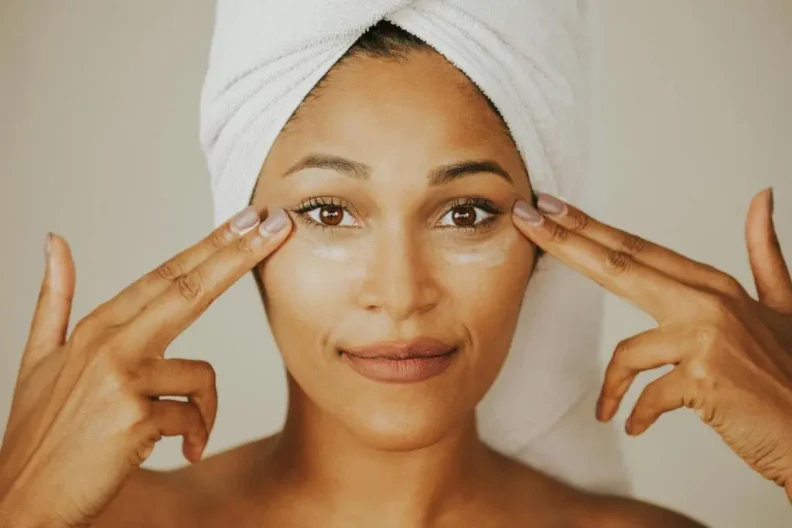
Table of Contents
How to Build a Simple Natural Beauty Routine?
The foundation of any effective affordable skincare regimen rests on three fundamental steps that create the framework for healthy, radiant skin. These core practices—cleansing, moisturizing, and protection—work synergistically to maintain your skin’s natural barrier while addressing specific concerns through targeted ingredients.
Morning routines should prioritize protection and hydration, beginning with gentle cleansing to remove overnight buildup, followed by lightweight moisturization and sun protection. Evening routines focus on repair and restoration, emphasizing deeper cleansing and nourishing treatments that work while you sleep.
Many skincare experts agree that consistency matters more than complexity. A simple routine followed daily often delivers better results than complicated regimens used occasionally. The key is to choose ingredients that work with your skin’s natural balance instead of disrupting it.
By establishing these essential steps as non-negotiables, you create a reliable foundation that can be enhanced with additional treatments as needed, ensuring your skin receives consistent care that supports its long-term health and appearance.
Cleansing: The Foundation of Skincare
Proper cleansing forms the cornerstone of any effective skincare regimen, removing accumulated dirt, oil, and environmental pollutants that can clog pores and trigger breakouts. natural cleansers offer a gentle yet effective approach to maintaining skin health without stripping away beneficial oils or disrupting the skin’s delicate pH balance.
The science behind botanical cleansing ingredients reveals impressive antimicrobial properties. According to recent research, plant-based compounds demonstrate superior antioxidant activity compared to many synthetic alternatives, making them ideal candidates for gentle daily cleansing.
–Do-it-yourself- beauty routines incorporating kitchen staples like honey, oats, and gentle oils provide effective cleansing without harsh sulfates or synthetic fragrances. Honey’s natural antimicrobial properties make it particularly effective for acne-prone skin, while oatmeal’s saponins create a mild, soap-like action that removes impurities without over-drying. The key to successful natural cleansing lies in understanding your skin type and selecting ingredients that complement rather than compromise your skin’s natural barrier function, setting the stage for optimal product absorption in subsequent steps.
Some people find that natural cleansers like honey or oatmeal are gentler on the skin, especially for those who experience dryness or sensitivity with commercial products.
Toning: Balancing and Preparing the Skin
After cleansing, toning serves as the crucial bridge between removing impurities and applying moisturizer, helping to restore your skin’s natural pH balance while preparing it for subsequent treatments. Unlike traditional alcohol-based toners that can strip the skin, natural alternatives offer gentle yet effective results.
Apple cider vinegar diluted with water (1:3 ratio) creates an excellent pH-balancing toner, while green tea cooled to room temperature provides antioxidant protection and reduces inflammation. For sensitive skin, rose water offers hydrating properties without irritation. These homemade skincare solutions cost significantly less than commercial alternatives while delivering comparable results.
The key is consistency rather than complexity. A simple toner applied with clean hands or a cotton pad helps remove any remaining cleanser residue, tightens pores temporarily, and creates an optimal canvas for moisturizer absorption. Natural skin care products continue attracting consumers who prioritize both effectiveness and ingredient transparency.
With your skin properly balanced and prepped, the next critical step focuses on sealing in hydration to maintain that healthy glow throughout the day.
Moisturizing: Locking in Hydration
Following proper toning, moisturizing becomes the essential final step in sealing hydration and protecting the skin barrier. Natural skincare enthusiasts increasingly turn to plant-based moisturizing ingredients that offer both effectiveness and affordability compared to synthetic alternatives.
Aloe vera gel serves as an exceptional lightweight moisturizer, containing polysaccharides that help retain moisture while providing anti-inflammatory benefits. For dry skin types, coconut oil offers deep hydration with its natural fatty acid content, though it should be applied sparingly to avoid clogging pores.
Honey functions as a natural humectant, drawing moisture from the environment into the skin. Mix one tablespoon of raw honey with a few drops of jojoba oil for an intensely hydrating treatment. Shea butter provides rich nourishment for very dry areas like elbows and knees.
Recent research indicates that biocosmetics incorporating natural ingredients demonstrate promising efficacy in maintaining skin barrier function. However, patch testing remains crucial when introducing new natural ingredients to prevent allergic reactions.
The key lies in matching moisturizer weight to your skin’s needs—lighter gels for oily skin, richer creams for dry conditions. This foundation prepares your skin for enhanced treatments that can elevate your routine beyond daily basics.

Weekly Skincare Routine Enhancements for Better Results
Building on your established daily routine of cleansing, toning, and moisturizing, weekly enhancements elevate your natural skincare regimen to address deeper skin concerns. These targeted treatments work alongside your daily practices to maintain optimal skin health while embracing the growing clean beauty movement that prioritizes transparency and natural ingredients.
Weekly treatments typically focus on deep cleansing, intensive hydration, and targeted concerns like dullness or congestion. A honey and oatmeal mask, applied once weekly, provides gentle antimicrobial action while delivering moisture. Similarly, a weekly clay mask using bentonite or kaolin clay helps draw impurities from pores without the harsh chemicals found in conventional treatments.
Research indicates that natural ingredients often demonstrate superior antioxidant and antimicrobial properties compared to synthetic alternatives, making weekly natural treatments particularly effective for long-term skin health. These enhanced routines create the foundation for addressing more stubborn concerns that require regular, gentle intervention rather than daily aggressive treatment.
Exfoliation: Removing Dead Skin Cells
Regular exfoliation serves as a cornerstone of effective plant-based skincare, removing accumulated dead cells that can clog pores and create dull, uneven texture. Natural exfoliants work through two primary mechanisms: physical removal using gentle abrasives and chemical dissolution via natural acids.
Physical exfoliation options include finely ground oatmeal, sugar, and or coffee grounds mixed with honey or yogurt. These create gentle scrubs that manually lift away surface debris without harsh synthetic microbeads. Start with once-weekly application, gradually increasing frequency based on skin tolerance. Chemical exfoliation utilizes natural fruit acids found in ingredients like lemon juice, pineapple, and or papaya. These alpha hydroxy acids naturally dissolve the bonds between dead skin cells, promoting cellular turnover. However, natural acids can increase photosensitivity, making evening application preferable. The key lies in gentle consistency rather than aggressive scrubbing. Over-exfoliation can compromise the skin barrier, leading to irritation and increased sensitivity. Most skin types benefit from 1-2 exfoliation sessions weekly, allowing adequate recovery time between treatments.
This cellular renewal process prepares skin for deeper nourishment through targeted masking treatments.
Masking: Deep Nourishment and Repair
Weekly facial masks represent the most concentrated form of organic skincare ingredients delivery, penetrating deeper than daily products to address specific skin concerns. Unlike commercial masks that often rely on synthetic actives, homemade versions harness the full spectrum of plant-derived nutrients without dilution or processing degradation.
Clay-based masks using bentonite or kaolin provide deep pore cleansing while maintaining skin’s natural moisture barrier. Mix two tablespoons of clay with honey and a few drops of tea tree oil for combination skin, or substitute honey with aloe vera gel for sensitive types. The natural minerals in clay draw out impurities while organic honey delivers antibacterial properties and moisture retention.
Hydrating masks leverage ingredients like mashed avocado, oatmeal, and plain yogurt to restore compromised skin barriers. A common pattern involves combining one-quarter avocado with a tablespoon of ground oats and yogurt, creating a nutrient-dense treatment rich in vitamins E, K, and natural lactic acid. Application timing matters significantly—masks work most effectively on freshly exfoliated skin, allowing active compounds to penetrate more readily. This targeted approach to ingredient selection sets the foundation for understanding which specific components deliver the most dramatic results.
Affordable Ingredient Spotlights
The foundation of effective budget skincare lies in understanding which accessible ingredients deliver the highest impact for your investment. Three powerhouse components stand out for their versatility, proven efficacy, and remarkable affordability: oats, green tea, and aloe vera.
Oats function as nature’s gentle exfoliant and anti-inflammatory agent. Their beta-glucan content creates a protective barrier while saponins provide natural cleansing properties. A single container of rolled oats can supply months of face masks and gentle scrubs for under five dollars.
Green tea brings potent antioxidant protection through its high polyphenol concentration. Research demonstrates that natural ingredients like green tea exhibit superior antioxidant and antimicrobial properties compared to many synthetic alternatives. Used tea bags can be repurposed for eye compresses, while brewed tea serves as an excellent toner base.
Aloe vera offers unmatched versatility as a moisturizer, healing agent, and treatment for irritated skin. Fresh gel from a single plant provides months of skincare benefits, while bottled pure aloe vera gel remains cost-effective for various applications from sunburn relief to daily hydration. These ingredients form the cornerstone of natural beauty routines, setting the stage for exploring specific applications like honey’s remarkable cleansing properties.
Honey: Nature’s Cleanser
Raw honey stands among the most versatile natural ingredients skincare enthusiasts can incorporate into their daily routines. This golden substance contains natural enzymes and antimicrobial properties that make it exceptionally effective for gentle cleansing while maintaining skin’s moisture barrier.
The cleansing power of honey comes from its natural hydrogen peroxide content and low pH, which create an inhospitable environment for harmful bacteria. Unlike harsh commercial cleansers that strip skin of essential oils, honey removes impurities while delivering beneficial nutrients including vitamins B, C, amino acids, and antioxidants. Application requires only a small amount—approximately one teaspoon—warmed between palms before massaging onto damp skin. The natural humectant properties draw moisture from the environment, leaving skin soft and hydrated rather than tight or dry. This makes honey particularly beneficial for those with sensitive or acne-prone skin seeking gentle yet effective cleansing solutions.
Beyond daily cleansing, honey serves as an excellent base for exfoliating treatments when combined with ingredients like oats or sugar, setting the foundation for exploring other versatile natural ingredients.
Coconut Oil: Versatile and Nourishing
Coconut oil emerges as one of the most multipurpose ingredients in natural beauty routines, offering remarkable versatility at an accessible price point. This tropical extract contains medium-chain fatty acids, particularly lauric acid, and which provides natural antimicrobial properties while deeply moisturizing the skin. As a makeup remover, coconut oil gently dissolves even waterproof formulas without harsh scrubbing. A small amount warmed between the palms effectively breaks down cosmetics while nourishing the delicate eye area. For body moisturization, coconut oil absorbs readily into skin, leaving a protective barrier that locks in hydration throughout the day.
The oil’s natural emollient properties make it particularly beneficial for dry patches, cuticle care, and as a weekly hair mask. One practical approach involves applying coconut oil to damp skin immediately after showering, when pores remain open for optimal absorption.
Quality matters significantly with coconut oil selection. Unrefined, cold-pressed varieties retain more beneficial compounds than processed alternatives. While coconut oil suits most skin types, individuals with oily or acne-prone skin should approach with caution, as its comedogenic nature may potentially clog pores.
Limitations and Considerations
While natural beauty routines offer compelling benefits, they come with important limitations that users must understand. Homemade skincare formulations lack the stability testing and preservation systems found in commercial products, potentially leading to shorter shelf lives and contamination risks. According to research comparing homemade versus manufactured skincare, natural formulations may not achieve the same consistency or efficacy levels as professionally developed products.
Patch testing becomes crucial when introducing any new natural ingredient, as botanical compounds can trigger allergic reactions or sensitivities in certain individuals. Natural doesn’t automatically mean gentle or suitable for all skin types. Additionally, some natural ingredients may increase photosensitivity, requiring careful timing of application and sun protection.
The absence of preservatives in DIY formulations means shorter usage windows and potential bacterial growth if proper hygiene isn’t maintained. However, these considerations shouldn’t discourage exploration of natural alternatives—rather, they highlight the importance of informed, careful implementation.
Understanding these limitations helps set realistic expectations and prepares you for making educated decisions about your skincare journey, leading many to wonder about specific application methods and timing considerations.
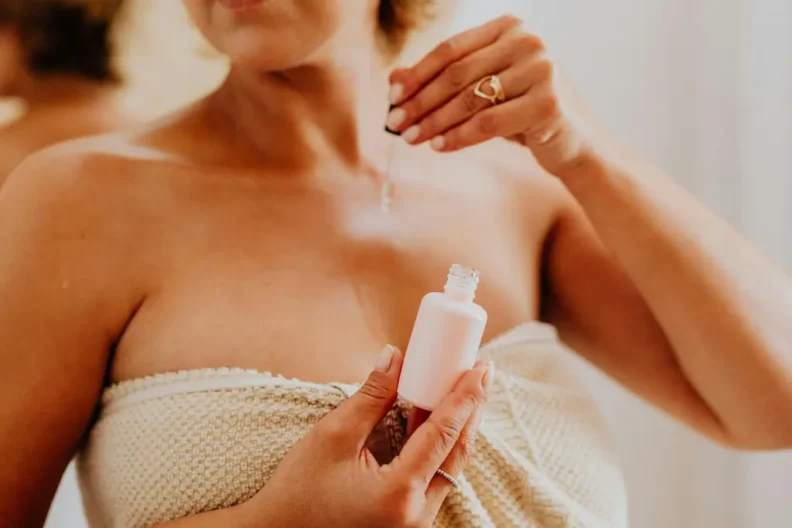
Frequently Asked Questions About Natural Beauty Routines
How long before I see results from natural ingredients?
Natural beauty routines usually take about 4 to 6 weeks to show visible results. This is because natural ingredients work gradually by supporting your skin’s natural balance. Unlike some synthetic products that may deliver quick but short-term effects, natural solutions tend to build long-lasting improvements over time.
Are homemade products as effective as store-bought skincare?
Homemade skincare can be effective, especially when using high-quality natural ingredients. However, store-bought products are often more stable and have carefully measured formulations. While natural ingredients offer real benefits, DIY products may lack consistency and preservation.
Can natural ingredients cause allergic reactions?
Yes, natural does not always mean safe for everyone. Some ingredients, such as essential oils or citrus extracts, can cause irritation or allergic reactions. It’s always recommended to perform a patch test before trying a new ingredient.
How should I store homemade beauty products?
Most homemade skincare products should be stored in the refrigerator and used within 1 to 2 weeks, since they don’t contain preservatives. Always use clean, sterilized containers and check for any changes in smell, color, or texture before use.
These common questions highlight the key considerations for building a safe and effective natural beauty routine.
From what many people experience, the key to natural skincare is consistency rather than complexity. Simple routines followed regularly tend to give better results than complicated routines used occasionally.
Explore more practical tips in our natural beauty and skincare guides to build a routine that truly works for your skin.




Pingback: Beginner Skincare In 2026: Start Your Best Routine