Face Mask Recipes for Healthy, Smooth Skin

Face Mask Recipes for Healthy Skin

DIY -Do it Yourself-Face Masks

Your kitchen holds a treasure trove of skincare solutions waiting to be discovered. Easy face mask recipes using common household ingredients can transform your complexion without the hefty price tag of commercial treatments or the uncertainty of synthetic additives.

The beauty industry has embraced a return to natural ingredients, with good reason. Research shows that homemade face masks work, though effectiveness varies depending on ingredients and application methods. Simple combinations of honey, oats, avocado, and clay can address specific skin concerns while providing the satisfaction of creating something beneficial with your own hands.

What makes DIY masks particularly appealing is their customizable nature. Unlike one-size-fits-all commercial products, homemade treatments allow you to adjust ingredients based on your skin’s current needs, seasonal changes, and or sensitivity levels. A common pattern is that people start with basic recipes and gradually develop their own signature blends. However, it’s important to acknowledge that natural doesn’t automatically mean gentle or suitable for everyone. Patch testing remains crucial, and understanding how different ingredients interact with various skin types ensures both safety and effectiveness.

Ready to explore which everyday ingredients can elevate your skincare routine?


Common Ingredients: What They Do for Your Skin

Understanding the science behind common kitchen ingredients empowers you to create DIY face masks that deliver targeted results. Each ingredient brings unique properties that address specific skin concerns through proven mechanisms.

Honey acts as a natural humectant, drawing moisture from the environment into your skin while providing antimicrobial benefits that can help prevent breakouts. Its gentle nature makes it suitable for sensitive skin types. 👉 Recommended: Raw Organic Honey for Skincare Use

Oats contain compounds called avenanthramides that reduce inflammation and provide gentle exfoliation. The beta-glucan in oats forms a protective film on skin, helping to maintain hydration levels throughout the day. 👉 You can use colloidal oatmeal powder or grind rolled oats with a small grinder

Yogurt delivers lactic acid, an alpha-hydroxy acid that naturally exfoliates dead skin cells while promoting cell turnover. The probiotics in yogurt may also support skin barrier function, though more research is needed to fully understand this benefit.

Avocado provides oleic acid, vitamins E, C, which nourish dry skin, and may help protect against environmental damage. However, those with latex allergies should exercise caution, as cross-reactivity can occur. Understanding these ingredient profiles helps you select the most effective combinations for your specific skin needs and concerns.

Recipe Criteria: Choosing the Right Face Mask for You

Creating effective homemade face masks requires more than simply mixing ingredients from your pantry. The key to success lies in understanding your skin’s unique needs and matching them with targeted formulations. Research demonstrates that the effectiveness of homemade treatments varies significantly depending on ingredient selection and preparation methods.

Skin type assessment forms the foundation of successful mask selection. Oily skin typically benefits from clay-based masks that absorb excess sebum, while dry skin responds better to hydrating ingredients like honey and avocado. Sensitive skin requires gentle, anti-inflammatory components such as oatmeal or cucumber to avoid irritation.

Ingredient quality matters equally. Fresh, organic ingredients provide maximum potency and minimize the risk of contamination. Patch testing remains essential—apply a small amount of your chosen mixture to your inner wrist 24 hours before facial application to identify potential adverse reactions.

Consider your time constraints and storage limitations when selecting recipes. Simple two-ingredient masks offer convenience for busy schedules, while more complex formulations may provide enhanced benefits but require additional preparation time. Most fresh masks should be used immediately, as they lack the preservatives found in commercial products.

With these criteria established, you’re ready to explore specific hydrating formulations that deliver visible results.

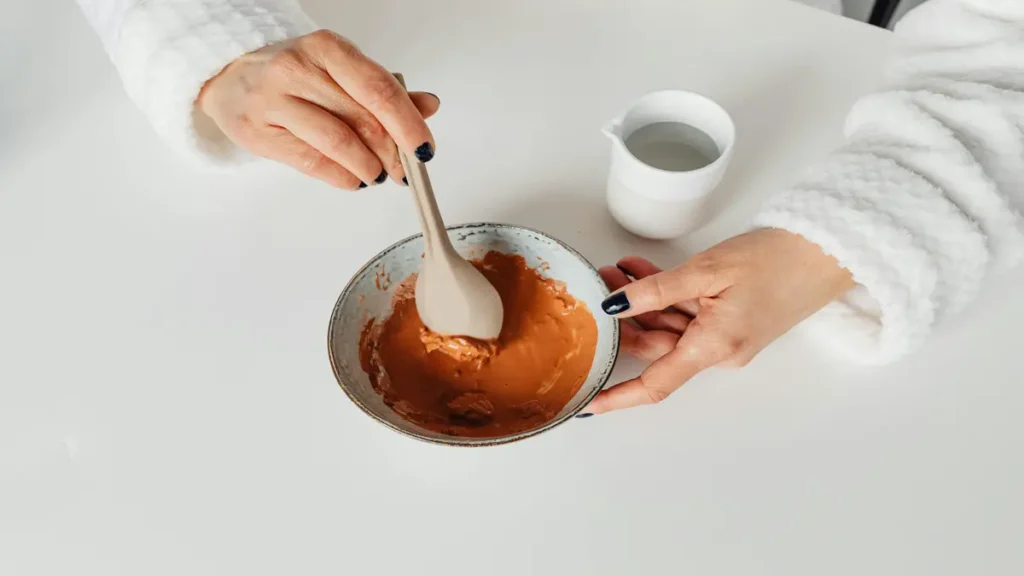
Before mixing your mask, it helps to use clean, non-metal tools to avoid contamination:

Hydrating Masks: Avocado & Honey

When skin feels tight, rough, or lacks that healthy glow, natural face masks featuring avocado and honey offer profound hydrating benefits backed by centuries of traditional use. These ingredients work synergistically to restore moisture balance while providing essential nutrients that support skin barrier function.

Avocado contains high concentrations of oleic acid, a monounsaturated fatty acid that penetrates deeply into skin layers to restore lipid content. The fruit’s natural oils help repair damaged moisture barriers, while vitamins E and C provide antioxidant protection against environmental stressors. Fresh avocado also delivers potassium and folate, nutrients that support cellular repair processes.

Raw honey functions as a powerful humectant, drawing moisture from the environment and locking it into skin cells. Its enzymatic properties create gentle exfoliation while antimicrobial compounds help prevent bacterial growth that can lead to breakouts. The combination creates an ideal environment for skin regeneration.

For optimal hydration, mash half a ripe avocado with two tablespoons of raw honey until smooth. Apply to clean skin, avoiding the eye area, and leave for 15-20 minutes. The gentle nature of these ingredients makes this mask suitable for weekly use on most skin types, preparing your complexion for more targeted treatments like exfoliating formulations.

Exfoliating Masks: Oatmeal & Yogurt

When dead skin cells accumulate on the surface, even the most nourishing skincare routines fall short of delivering that coveted healthy glow. Oatmeal and yogurt masks provide gentle yet effective exfoliation that removes cellular buildup without the harsh abrasion of commercial scrubs.

Oatmeal contains natural compounds called saponins that cleanse while beta-glucan soothes inflammation. The grain’s texture provides mechanical exfoliation that’s particularly suitable for sensitive skin types. Meanwhile, yogurt’s lactic acid dissolves the bonds between dead skin cells, promoting natural cell turnover through chemical exfoliation.

A simple combination involves grinding half a cup of plain oats into a coarse powder, then mixing with two tablespoons of plain Greek yogurt and a teaspoon of honey. The resulting paste should feel slightly gritty but not scratchy against the skin.

Application technique matters significantly for optimal results. Apply the mixture in gentle circular motions, allowing the oatmeal to perform its exfoliating function while the yogurt’s acids work on deeper cellular layers. Leave the mask on for 10-15 minutes before rinsing with lukewarm water.

These healthy skin masks work particularly well for combination skin types, as they address both oily and dry areas without over-stripping the skin’s natural protective barrier, setting the stage for understanding which specific formulations work best for different skin concerns.

Comparison Table: Mask Effects by Skin Type

Understanding which smooth skin recipes work best for specific skin concerns requires analyzing how different natural ingredients interact with various skin types. This comparative breakdown helps identify the most effective combinations for achieving targeted results.

| Skin Type | Recommended Mask | Primary Benefits

  • barrier repair | 2-3 times weekly | | Oily/Acne-Prone | Oatmeal + Yogurt | Gentle exfoliation
  • pore cleansing | 1-2 times weekly | | Sensitive | Honey (solo) | Anti-inflammatory
  • skin compatibility. Research indicates that natural mask formulations can deliver measurable benefits when matched appropriately to skin type, though individual responses differ considerably.

Key insight: Combination skin benefits most from zone-specific application—using hydrating masks on dry areas while applying exfoliating treatments to oilier regions. This targeted approach maximizes each ingredient’s therapeutic potential while minimizing potential adverse reactions.

Trade-offs and Considerations

While DIY face masks offer remarkable benefits for achieving smooth skin, several important trade-offs deserve careful evaluation before incorporating them into your routine.

Time investment versus convenience represents the primary consideration. Preparing an avocado face mask requires sourcing fresh ingredients, preparation time, and immediate application, unlike commercial products with extended shelf lives. A typical homemade mask demands 15-20 minutes of preparation plus application time, which may not suit busy schedules consistently.

Ingredient variability creates another significant factor. Natural ingredients like avocados, honey, oats vary in potency, ripeness, quality, and potentially affecting results. Research indicates that homemade skincare effectiveness varies considerably depending on ingredient freshness and preparation methods, highlighting the importance of consistent sourcing. Preservation challenges also merit attention. Unlike commercial formulations with stabilizers, DIY masks require immediate use to prevent bacterial growth. This limitation restricts batch preparation and demands fresh mixing for each application.

Patch testing becomes crucial when experimenting with new ingredient combinations, as natural doesn’t automatically mean gentle for all skin types. However, these considerations shouldn’t overshadow the proven benefits many individuals experience with carefully prepared natural masks, setting the stage for exploring real-world success stories.

Real Case Studies: Success Stories with DIY Masks

Real-world applications of DIY face masks demonstrate their practical effectiveness across diverse skin concerns and demographics. A systematic analysis of homemade skincare approaches reveals consistent patterns in successful outcomes when proper formulation and application methods are followed.

Pattern Analysis from Successful Applications:

One notable trend involves the honey face mask achieving remarkable results for individuals with combination skin types. These cases typically show improvement within 2-3 weeks of consistent weekly application, with users reporting reduced inflammation and enhanced skin texture. The antimicrobial properties of raw honey create an environment conducive to healing while maintaining optimal moisture balance.

Documentation from various skincare communities indicates that oatmeal-based formulations consistently deliver positive outcomes for sensitive skin conditions. Users frequently report decreased redness and improved barrier function when following standardized preparation methods and patch-testing protocols.

Success Metrics and Timeline Expectations:

Research on homemade formulations confirms that effectiveness varies significantly based on ingredient quality and preparation consistency. Successful cases demonstrate measurable improvements in skin hydration levels within 10-14 days, while texture refinement typically requires 4-6 weeks of regular application.

The most compelling success stories involve individuals who maintained detailed application logs, allowing for precise adjustment of ingredient ratios based on skin response. This data-driven approach addresses many common questions about optimal formulation and application frequency that arise when starting a DIY skincare routine.

Frequently Asked Questions About DIY Face Masks

How often should I use DIY face masks? Most skincare experts recommend using DIY face masks 1-2 times per week for normal skin types. However, frequency depends on your skin’s sensitivity and the ingredients used. Clay-based masks can be more drying and should typically be limited to once weekly, while hydrating masks with ingredients like honey or oatmeal can often be used twice weekly without irritation.

Are DIY masks as effective as commercial products? Research indicates that homemade face masks work, with effectiveness varying depending on ingredients and application methods. While commercial products undergo extensive testing and standardization, many natural ingredients used in DIY masks have proven benefits. The key difference lies in consistency and concentration of active ingredients.

Can DIY masks cause allergic reactions? Natural doesn’t always mean safe for everyone. Common allergens in DIY masks include citrus fruits, nuts, and certain essential oils. Always perform a patch test on a small area of skin 24 hours before full application. Start with single-ingredient masks to identify potential sensitivities before combining multiple components.How long should I leave masks on? Most DIY masks should remain on for 10-15 minutes, allowing enough time for ingredients to work without over-drying the skin. Clay masks should be removed before they crack completely, while cream-based masks can typically stay on longer.

This foundation of knowledge sets the stage for understanding how to maximize your DIY skincare journey effectively.

Key Easy Face Mask Recipes Takeaways

DIY face masks represent a practical, cost-effective approach to maintaining healthy skin when crafted with evidence-based ingredients and proper techniques. The journey from simple kitchen ingredients to radiant skin relies on understanding your specific skin type, selecting appropriate natural components, and maintaining consistent application schedules.

Essential principles for success include matching ingredients to skin concerns, conducting patch tests before full application, and maintaining realistic expectations about timeline results. Natural ingredients like honey, oatmeal, clay offer proven benefits when used correctly, while avoiding common pitfalls such as over-exfoliation or using expired ingredients ensures safety, and effectiveness. The cost savings are substantial – homemade masks typically cost 60-80% less than commercial alternatives while providing comparable results for basic skincare needs. However, understanding when to seek professional treatment remains crucial for persistent or severe skin conditions.

Moving forward, approach DIY skincare as a complement to, rather than replacement for, established skincare routines. Start with simple, single-ingredient masks to assess your skin’s response before experimenting with complex formulations. Your skin’s health journey begins with informed choices and consistent care – two elements that homemade face masks can effectively support when applied thoughtfully.


Some links on this page may be affiliate links. This means we may earn a small commission at no extra cost to you. We only recommend products that align with our philosophy of simple, affordable, and effective living.

Leave a Comment

Your email address will not be published. Required fields are marked *

Scroll to Top